Commercial product photography: what you are buying
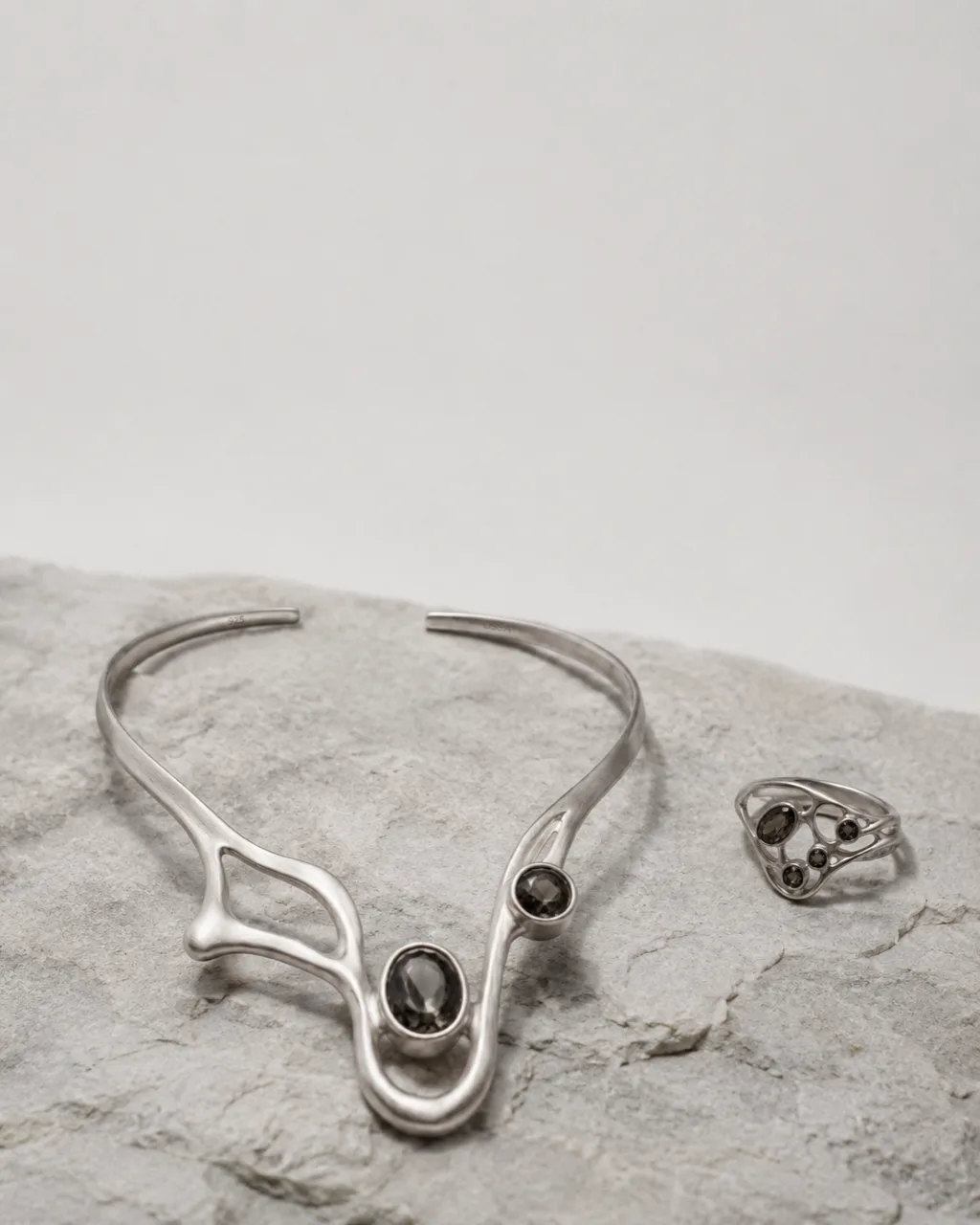
I should say up front that I do not shoot product photography. I build the imagery with AI and art-direct every frame by hand. That changes almost nothing about what follows, because the word commercial has never described how a picture was made. It describes what you are allowed to do with it afterwards.
Commercial is a rights word, not a quality word
People use it as though it means polished, or expensive, or shot in a studio. It does not. An image is commercial when you have the right to use it to sell something.
That distinction matters more than it sounds, because a beautiful image you cannot legally put on a paid advert is worth less to a brand than a plain one you can. Plenty of work described as commercial photography comes with a licence that expires, a territory limit, or a per-placement fee that nobody mentions until the campaign scales.
So the first question is not how good the images are. It is what happens to them after delivery.
What you should actually be getting
For product imagery commissioned by a brand, a reasonable arrangement looks like this.
- Full commercial rights, transferring on delivery. Not a licence. The finished images are yours.
- Every placement. Paid advertising, e-commerce, out of home, packaging, social, print.
- No usage window. The images do not stop being usable in eighteen months.
- No territory limit. If you sell into a new market, the imagery goes with you.
- No repeat fees. Scaling the campaign should not trigger another invoice for the same picture.
I cover the detail of this, including the one genuine caveat, in who owns the commercial rights to AI brand imagery. The short version is that you should be buying the work outright rather than renting it.
A beautiful image you cannot legally put on a paid advert is worth less to a brand than a plain one you can.
What makes an image commercially usable
Rights are the legal half. The practical half is whether the image survives contact with a real campaign, and this is where most work quietly fails.
The product has to be accurate. Not similar. Accurate. The right closure, the right finish, the right proportions, the right shade. A customer who receives something that does not match the picture is a return and a complaint, and in some categories a regulatory problem.
It has to survive every crop. A hero frame that only works at one ratio is half a deliverable. The same image gets cut square for a listing, tall for stories, wide for a banner. If the product is not composed with that in mind, you get three good crops and four compromises.
It has to belong to a set. One image is rarely the job. A launch needs a product frame, a detail, something worn or in use, and a wider campaign frame, and they have to look like one brand rather than four. Holding that identity across a whole set is the part that takes the most judgement.
Nothing in frame can belong to someone else. No recognisable third-party logo, artwork or person without the right to use them. This is easy to get wrong and expensive to discover late.
Where building it rather than shooting it changes the commercial question
Three things genuinely differ, and it is worth being precise rather than promotional about them.
The tools have their own terms. Whoever makes your imagery should know what rights the software grants to its outputs, because not all of them grant the same thing. That is the supplier's job to check, not yours, but it is fair to ask the question.
Generated people are not photographed people. If a person in frame was generated rather than cast, there is no model release because there is no model. That removes a real cost and a real constraint. It also means a campaign built around a specific, named, actual human is a different job with its own permissions.
The limit is the reference, not the software. If your product exists, I need it documented properly before anything starts. Several angles, the back, the closure, the finish. A product that changes shape between frames is not a commercial image, however good it looks, because accuracy is the whole point.
What it costs, and why the number varies
A single-day traditional shoot in the UK rarely comes in under a few thousand pounds once studio, crew, styling, travel and usage licensing are counted, and a modest campaign usually lands between £5,000 and £15,000 for a handful of finished images. The full breakdown is here.
Built rather than booked, a campaign starts at £750, and a single art-directed frame to test the direction is £150 to £250. The variables are the number of finished images, how many separate worlds they have to live in, and whether people appear in frame.
What does not vary is the rights position. Full commercial rights are included at every level, because a fee that buys you a picture you cannot fully use is not really a saving.
Questions worth asking whoever you commission
Whether you hire me or anyone else, these five separate a usable commission from an expensive disappointment.
- What rights transfer on delivery, and is there anything I cannot use these for?
- Can I see every frame from one project rather than the highlights?
- How do you keep my product accurate across the whole set?
- What crops and formats are included?
- What happens when something is nearly right?
What to send me
The product, photographed plainly from several angles including the parts most likely to be misunderstood. The materials and finishes named exactly. Two or three references you love and one you cannot stand. And where the images are going, because a listing crop and a launch story want different frames.
From there it is a moodboard first, so we agree the world before anything is rendered, then a first version within a day.