AI lookbook production for fashion brands

A collection should feel connected before anyone reads the collection notes. At Bilder Studio, I create AI fashion lookbooks from your garment references, developing the visual direction and refining the images into a cohesive set. Production can use fully generated imagery or combine AI with photography, depending on the brief and the level of product detail required.

Based in ManchesterWorking with fashion brands worldwide

Sunderly · Own concept brand

What a fashion lookbook does

The casting, light, styling and setting all contribute, but the clothes still need to be clear: their proportions, textures and the details that make each piece yours. A lookbook presents a collection through connected, styled looks. It shows how pieces work together, how silhouettes relate and what gives the collection its character.

The imagery can support buyer and press presentations, a collection launch, your website, newsletters and social channels. We agree those uses at the start so the balance between clear garment views and more expressive imagery serves the brief.

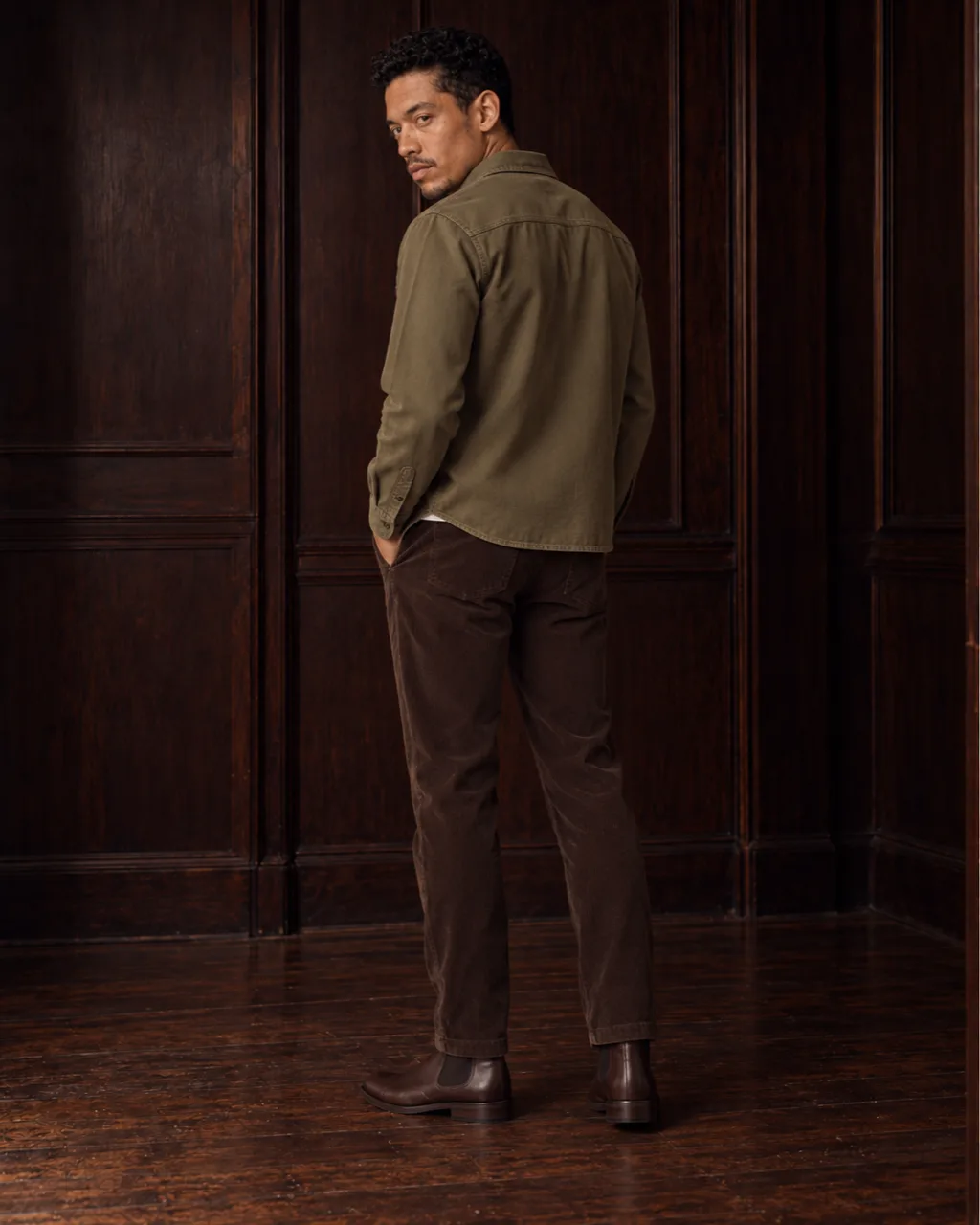
Sunderly look 5, olive overshirt and brown cords: from behind, three-quarter view, in a wood-panelled room, AI concept workSunderly · Own concept brand

Art direction that holds across the collection

Before production, I develop a visual brief covering casting, lighting, colour, background, styling, composition and the views needed for each look. This gives the set a clear direction and provides a basis for reviewing it as it grows.

That direction might be restrained and architectural, warm and domestic, or more expressive and editorial. A simple studio can put the emphasis on silhouette and fabric. An interior can add context and character. A location-led approach can give the collection a stronger narrative, provided the setting leaves enough attention for the garments.

The model or cast is considered alongside the clothing. Posture, expression and movement affect how a look reads. I aim for images with a consistent character, while allowing enough variation for the collection to feel alive.

Continuity goes beyond a recognisable face. It includes hair, body proportions, framing, shadow direction and the way colours sit together. Reviewing the full sequence helps reveal changes that are easier to miss when judging one image at a time.

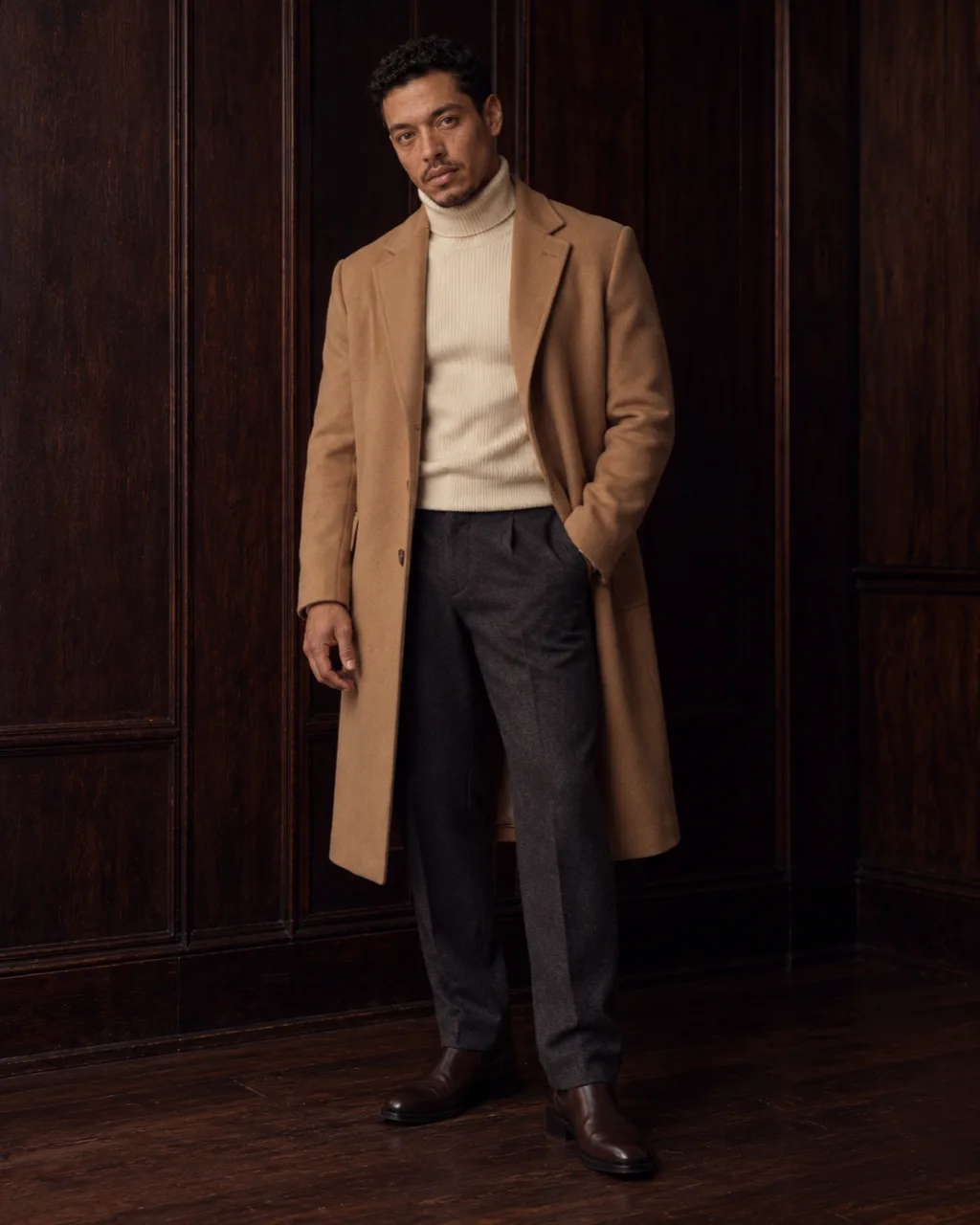
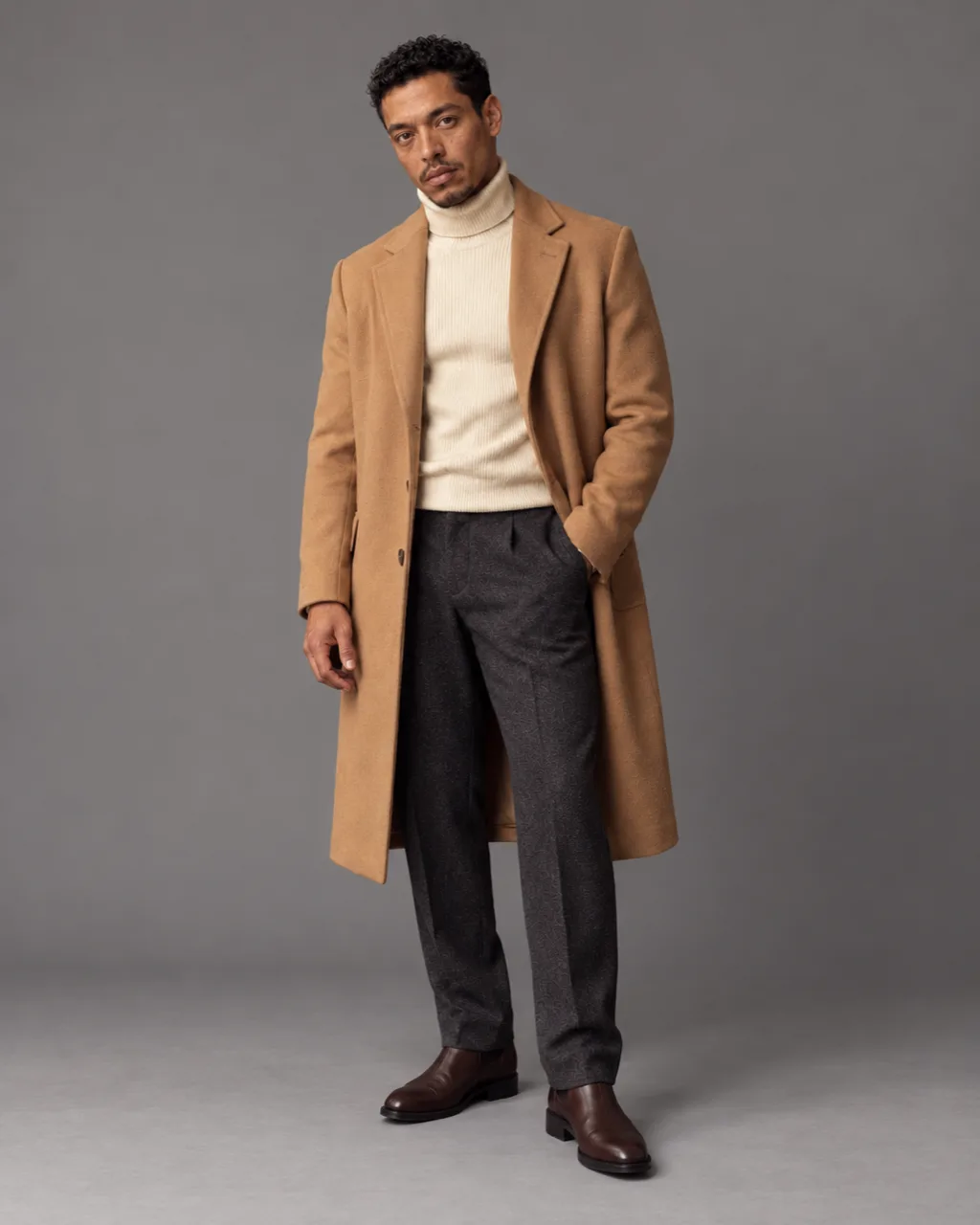
Sunderly look 3, camel coat over a cream roll-neck: full length from the front in a wood-panelled room, AI concept work
Sunderly · Own concept brandSunderly · Own concept brandSunderly · Own concept brand

A lookbook example: six looks, one direction

The Sunderly study is structured around six looks on the same model, with a shared wood-panelled setting and a consistent lighting direction. It explores how a small collection can feel complete without needing a different visual idea for every outfit. Each look is planned as a full-length front view, a second angle and a detail:

  1. Sunderly look 3, camel coat over a cream roll-neck: full length from the front in a wood-panelled room, AI concept workSunderly · Own concept brand

    The front

    Establishes the silhouette.

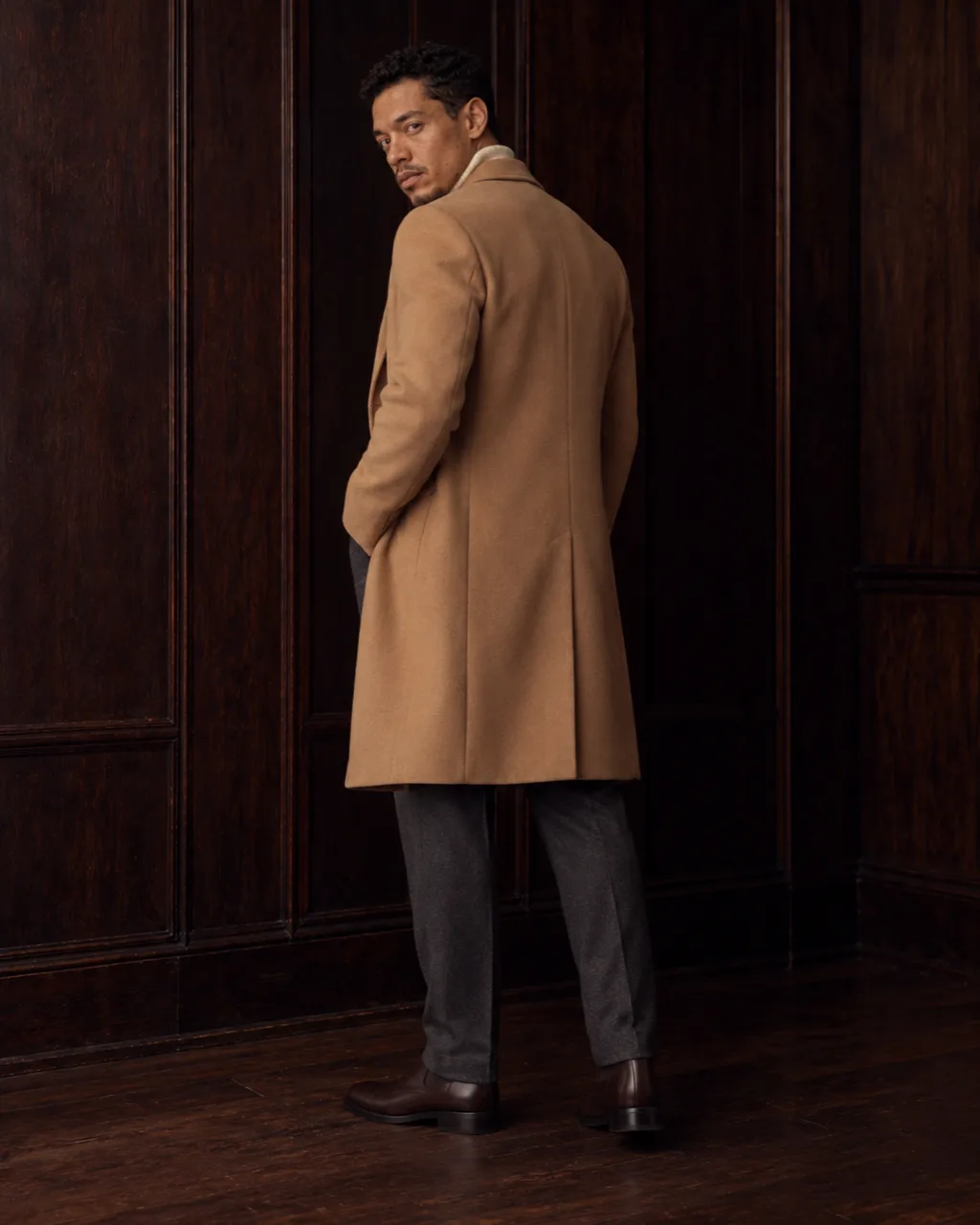
  2. Sunderly look 3, camel coat over a cream roll-neck: from behind, three-quarter view, in a wood-panelled room, AI concept workSunderly · Own concept brand

    The second view

    Adds information about shape and construction.

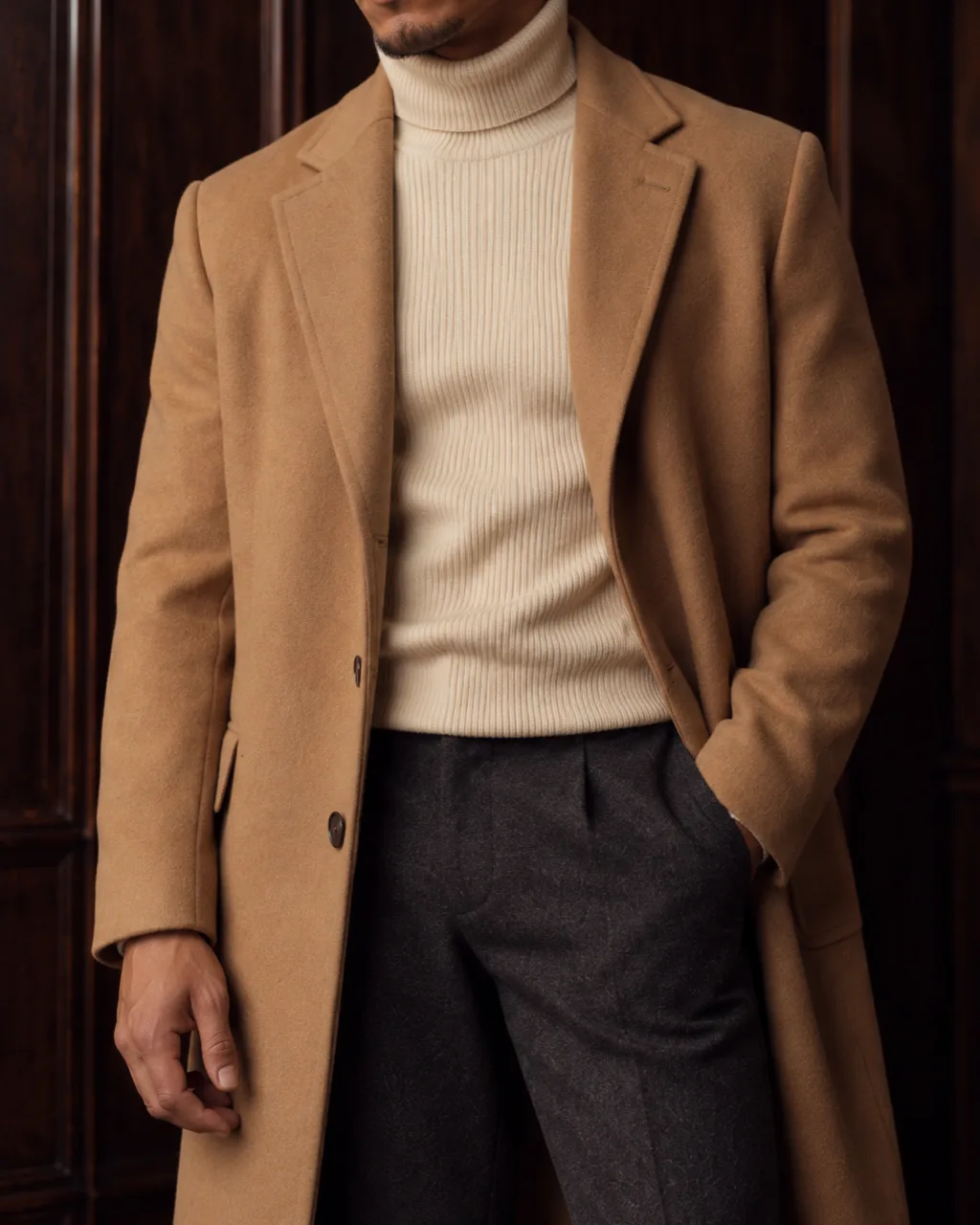
  3. Sunderly lookbook, look 3, camel coat over a cream roll-neck: close crop on the fabric, AI concept workSunderly · Own concept brand

    The detail

    Brings attention to fabric, finishing or a particular feature.

This is an example of a collection format. The right number of views depends on your garments and intended use. A layered outfit may need more explanation than a simple knit; a distinctive back or fastening may deserve its own image.

Six looks, eighteen core images

Across eighteen core images, the emphasis is on continuity between looks and useful variation within each one.

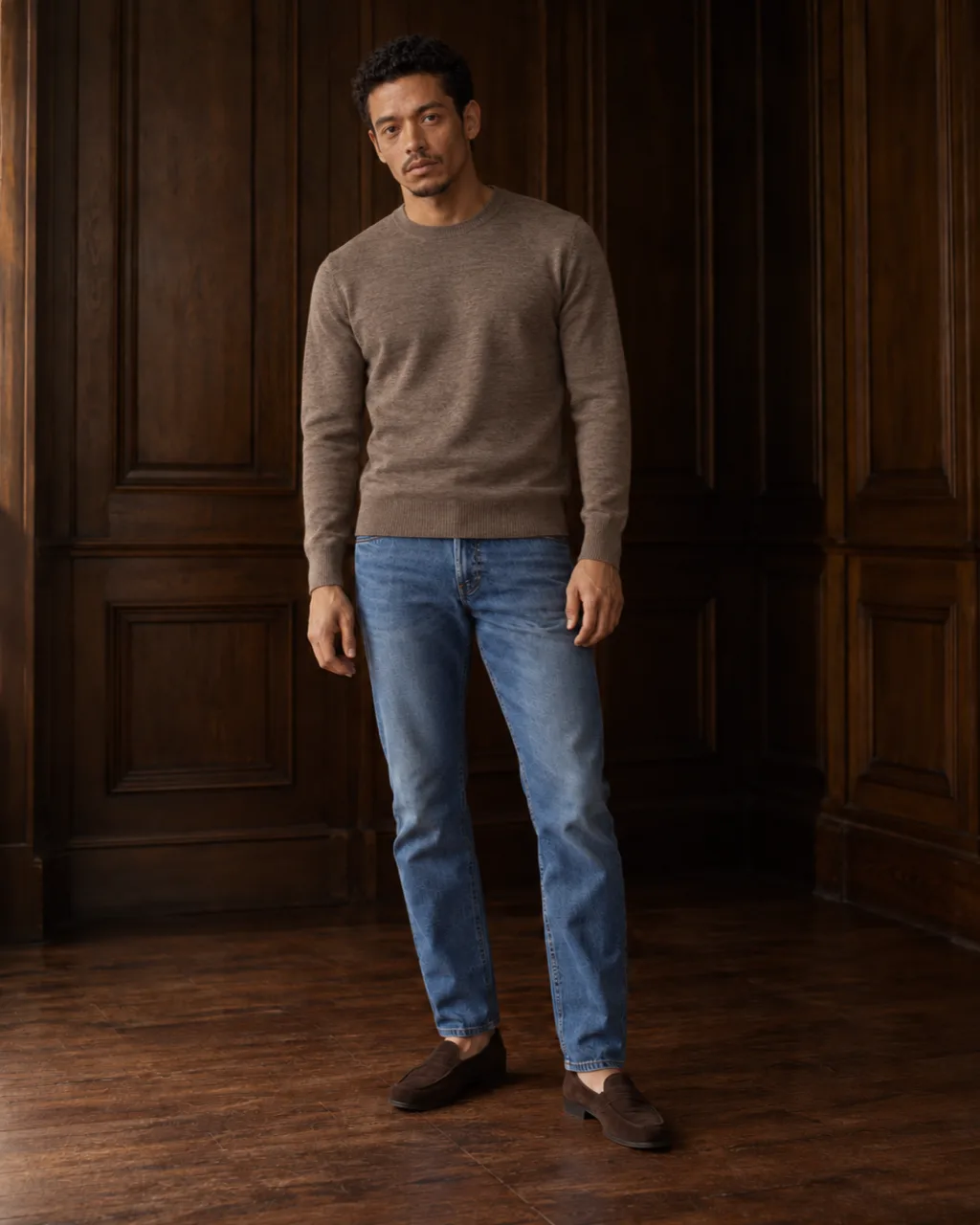
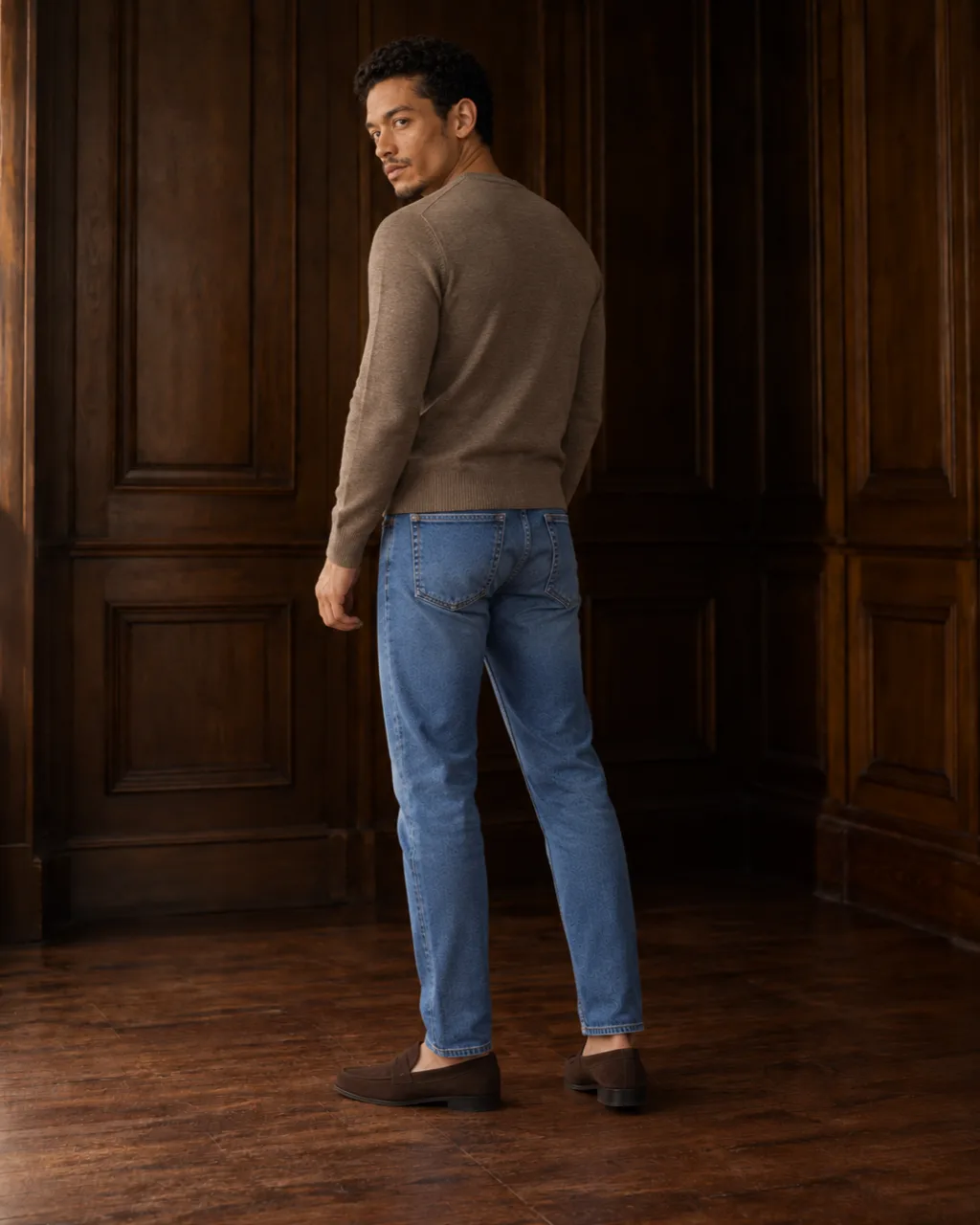
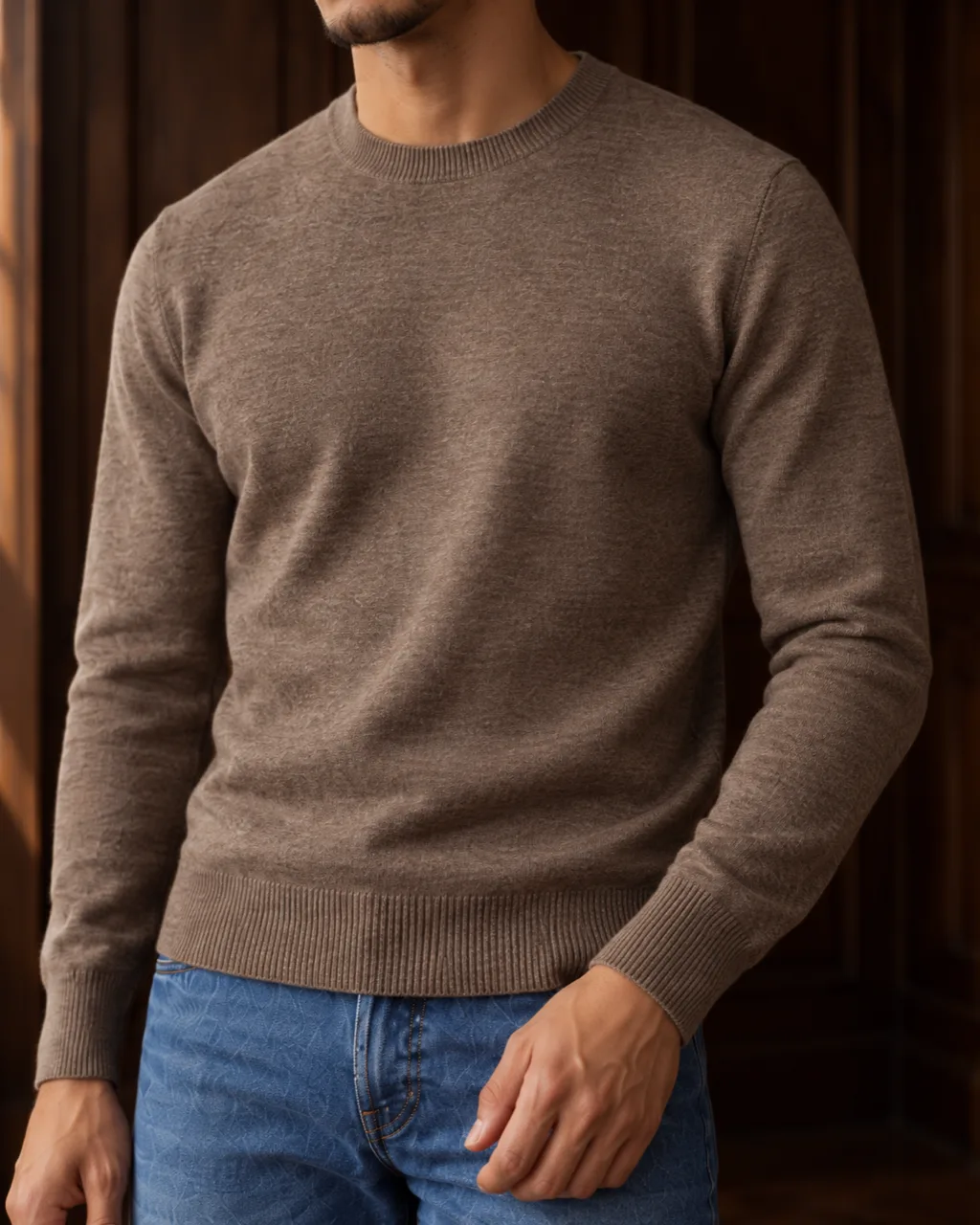
Sunderly lookbook, look 1, taupe knit and indigo jeans: full length from the front in a wood-panelled room, AI concept workSunderly look 1, taupe knit and indigo jeans: from behind, three-quarter view, in a wood-panelled room, AI concept workSunderly lookbook, look 1, taupe knit and indigo jeans: close crop on the fabric, AI concept work
Look 1 · taupe knit and indigo jeans
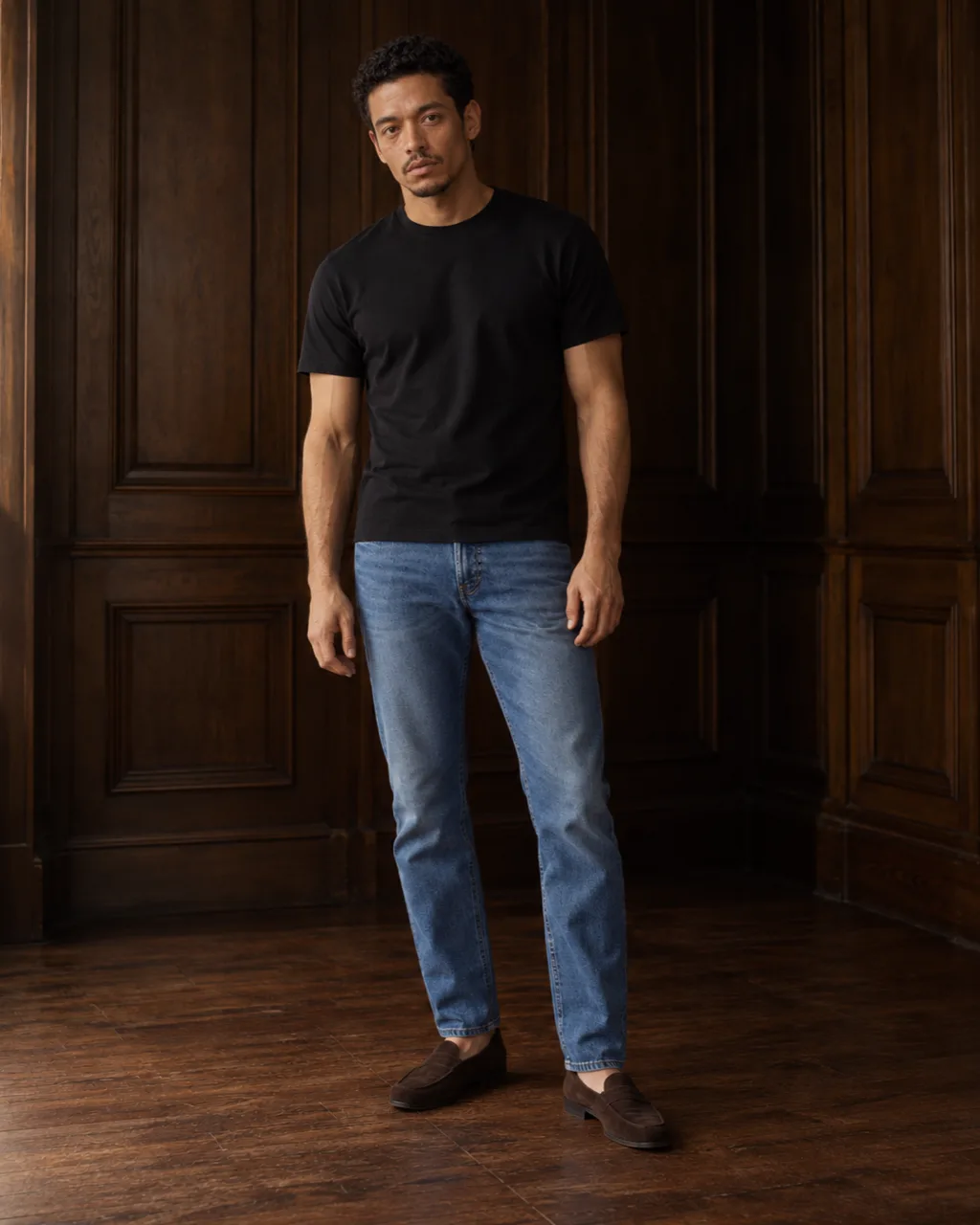
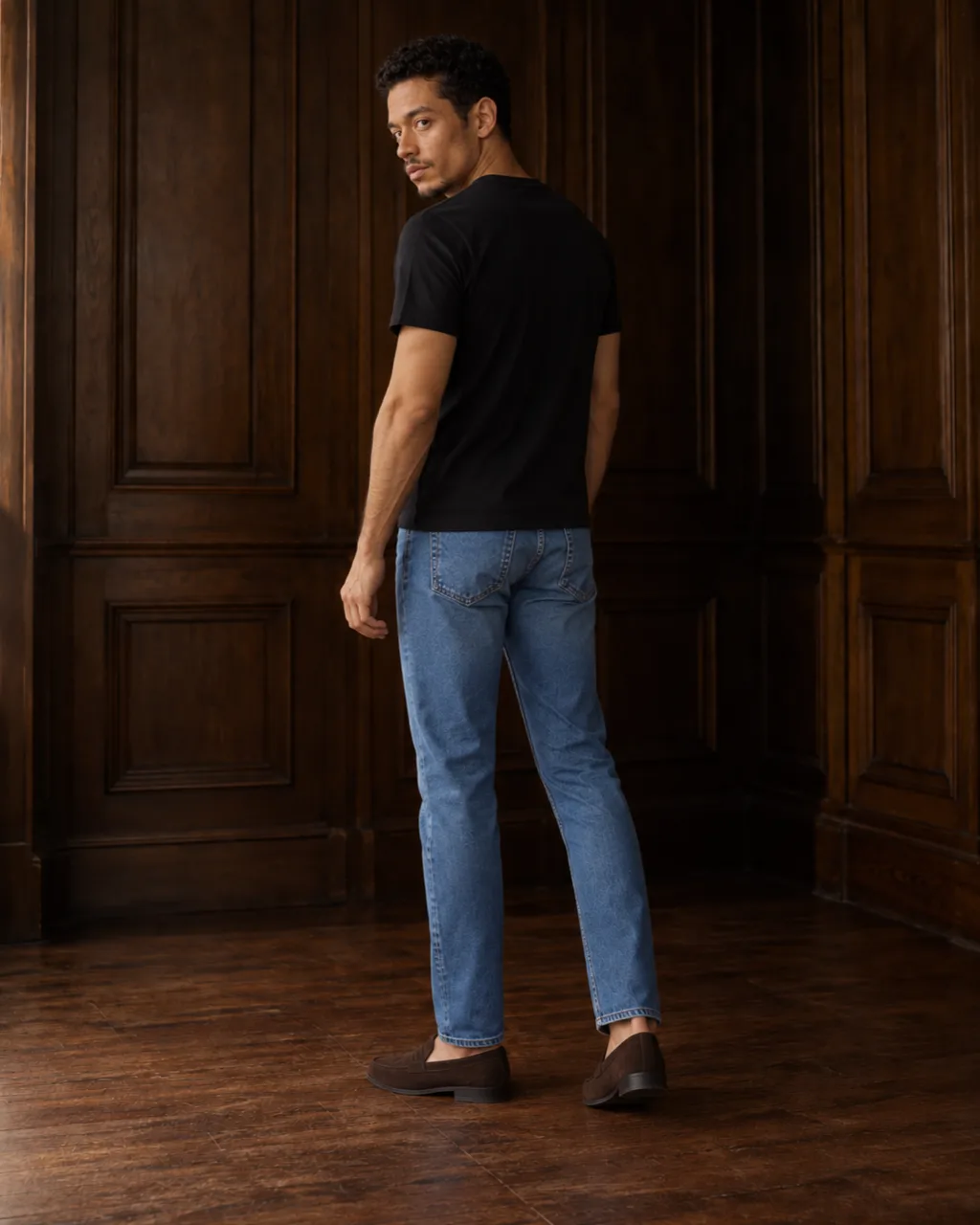
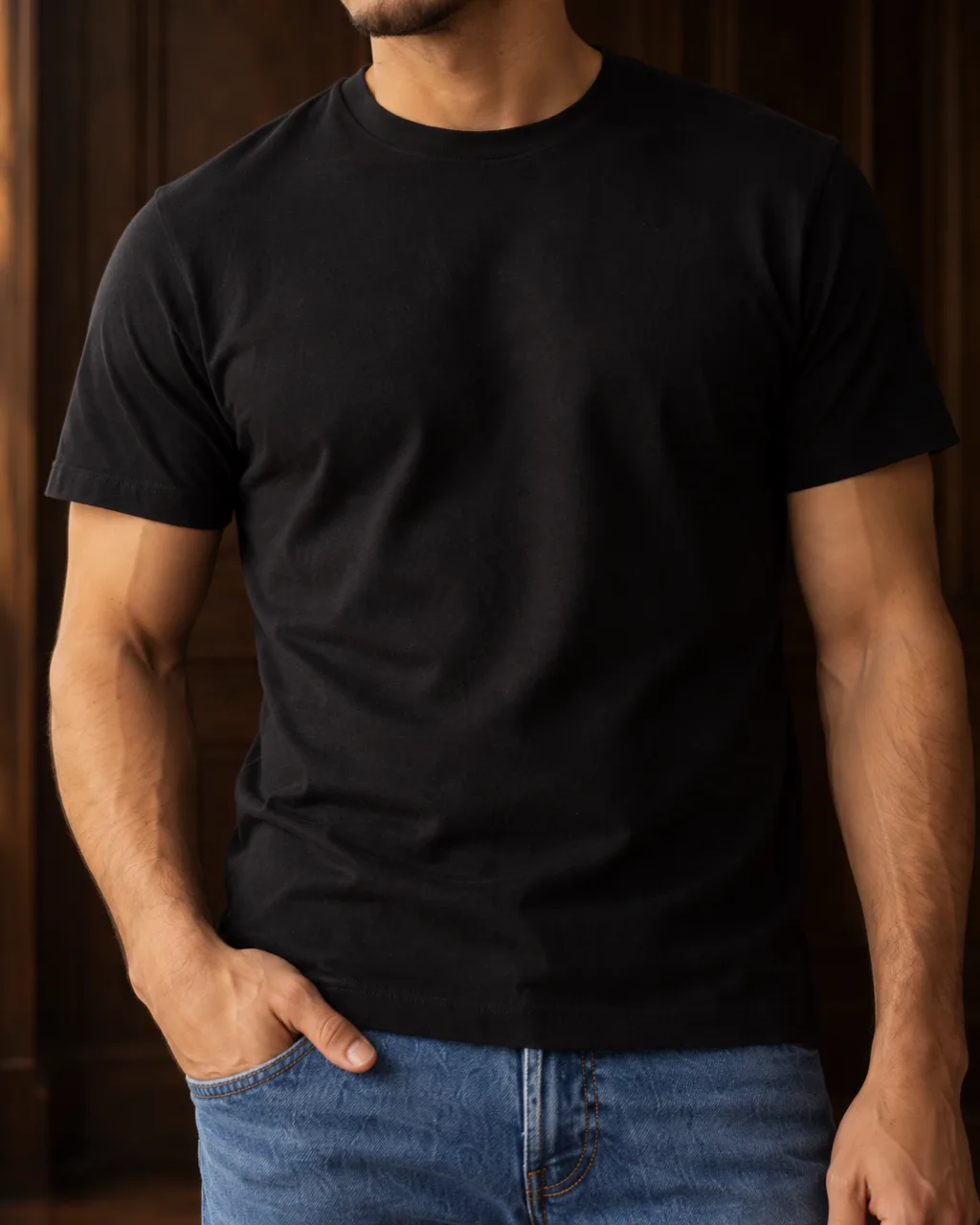
Sunderly look 2, black T-shirt and indigo jeans: full length from the front in a wood-panelled room, AI concept workSunderly look 2, black T-shirt and indigo jeans: from behind, three-quarter view, in a wood-panelled room, AI concept workSunderly lookbook, look 2, black T-shirt and indigo jeans: close crop on the fabric, AI concept work
Look 2 · black T-shirt and indigo jeans
Sunderly look 3, camel coat over a cream roll-neck: full length from the front in a wood-panelled room, AI concept workSunderly look 3, camel coat over a cream roll-neck: from behind, three-quarter view, in a wood-panelled room, AI concept workSunderly lookbook, look 3, camel coat over a cream roll-neck: close crop on the fabric, AI concept work
Look 3 · camel coat and cream roll-neck
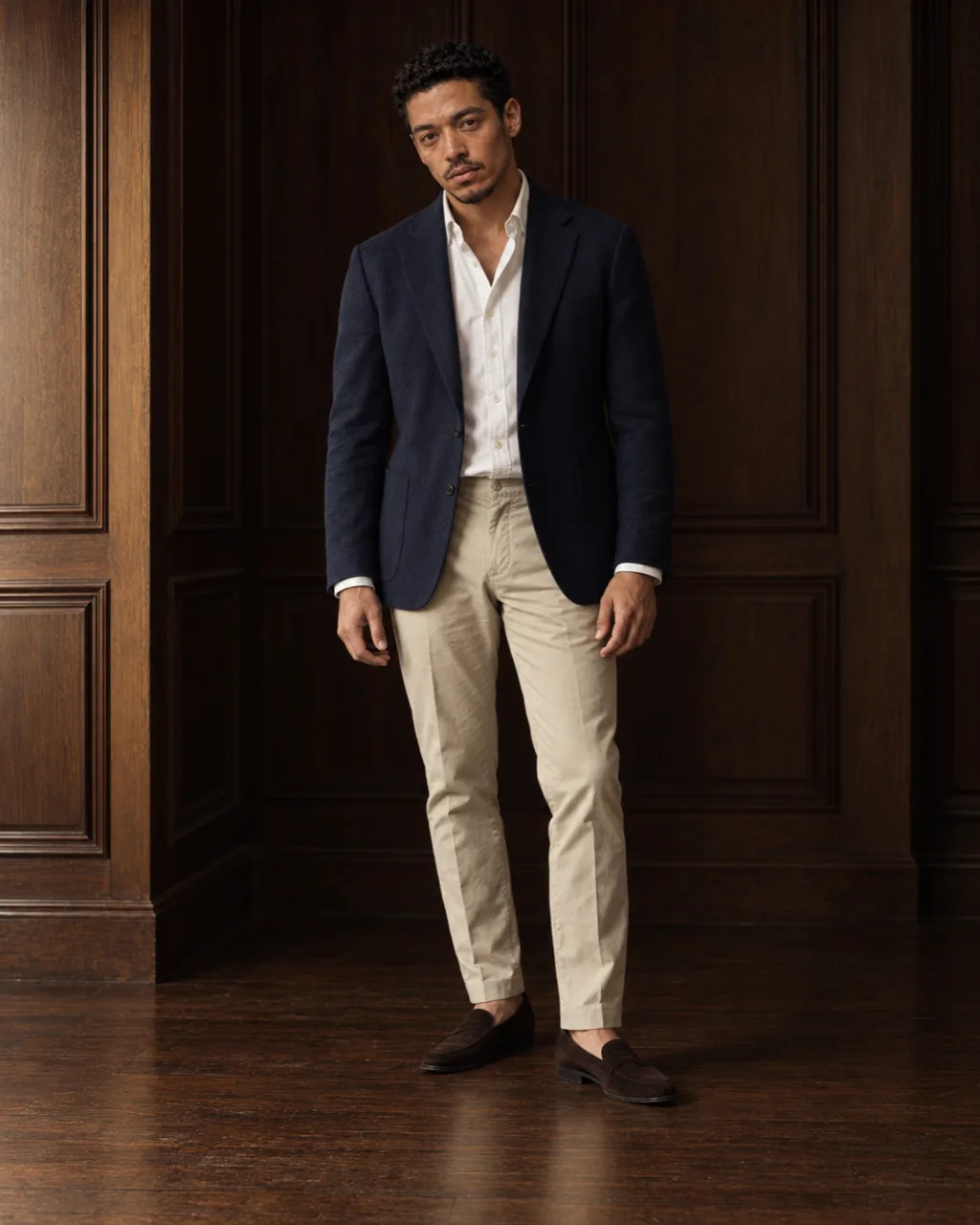
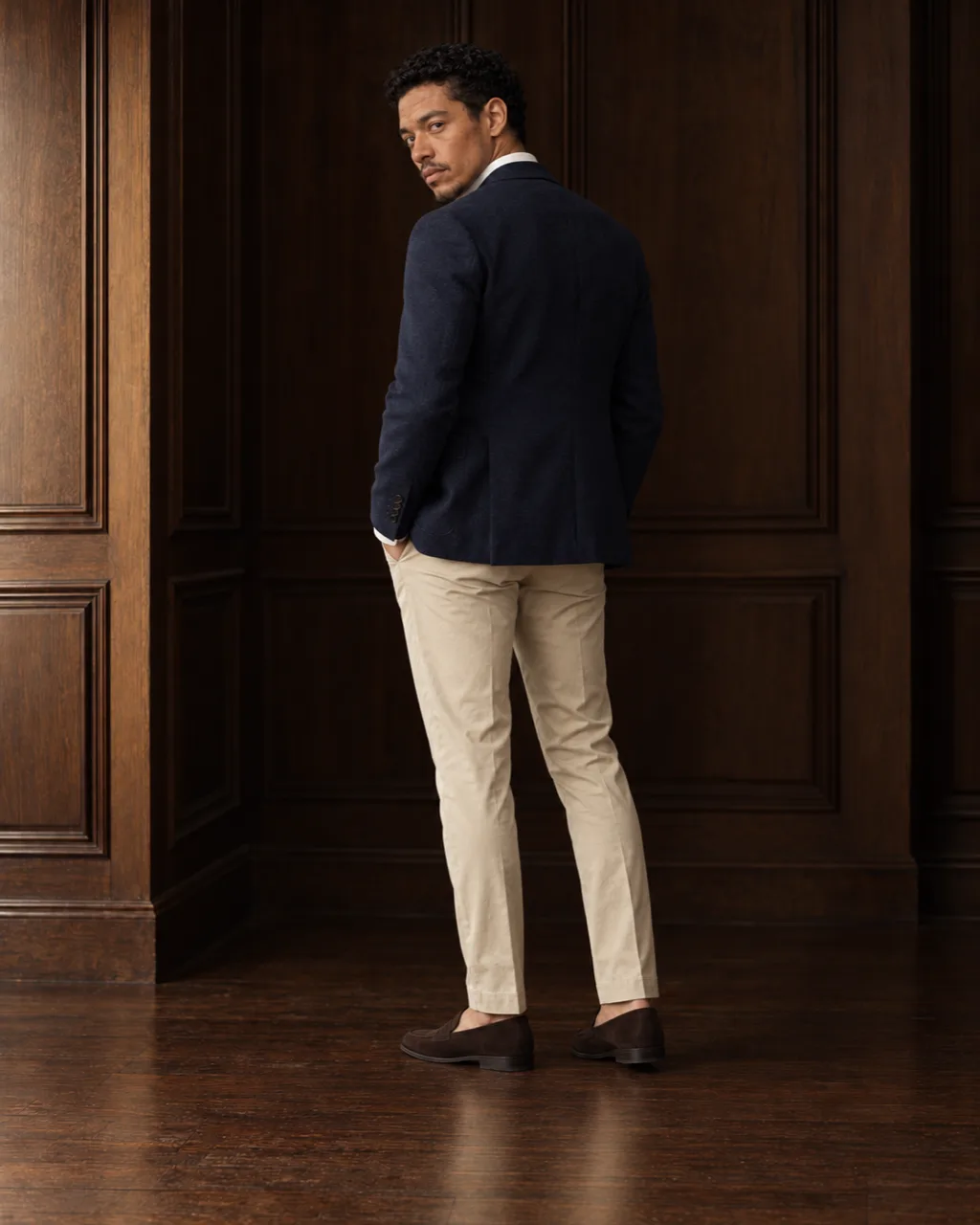
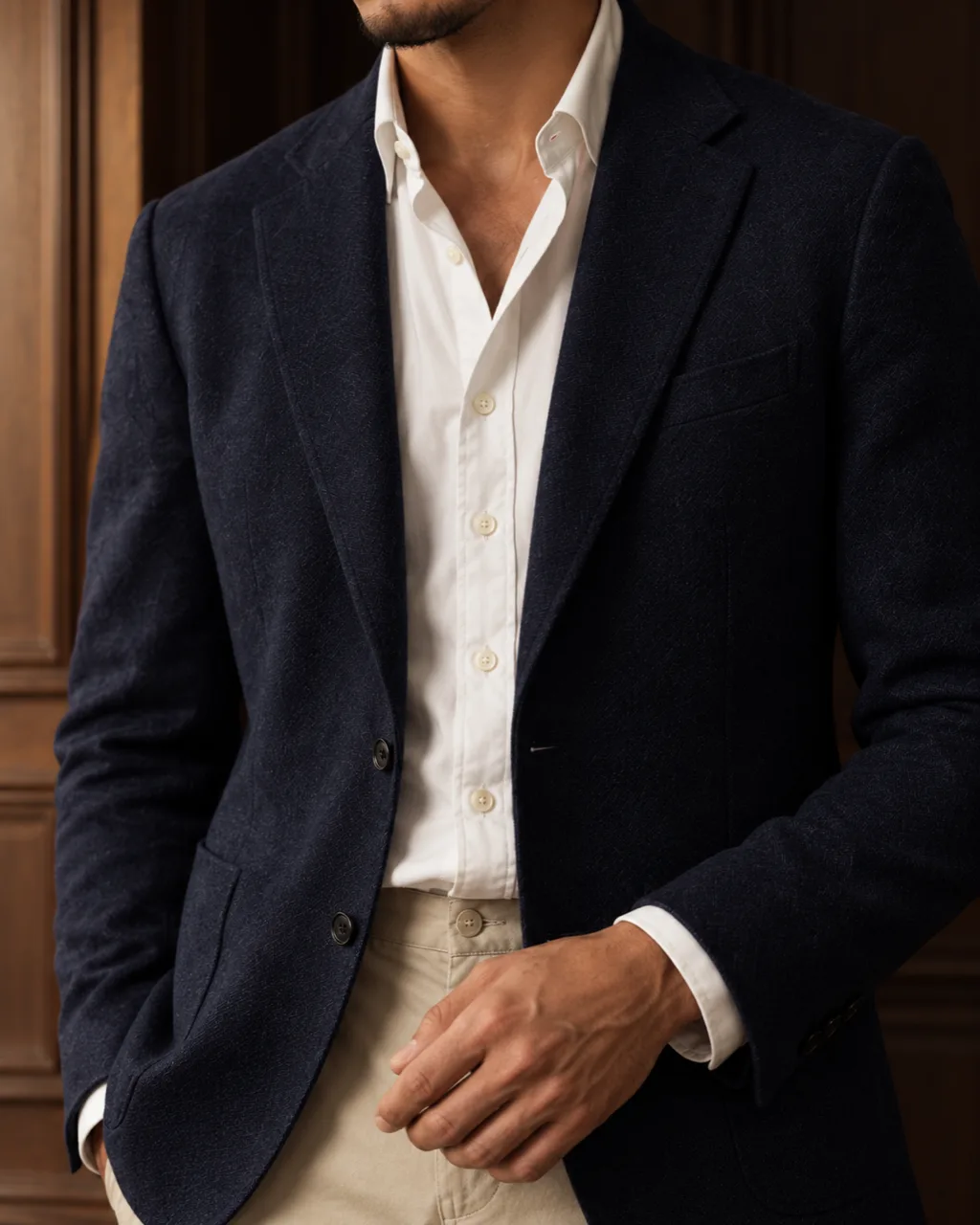
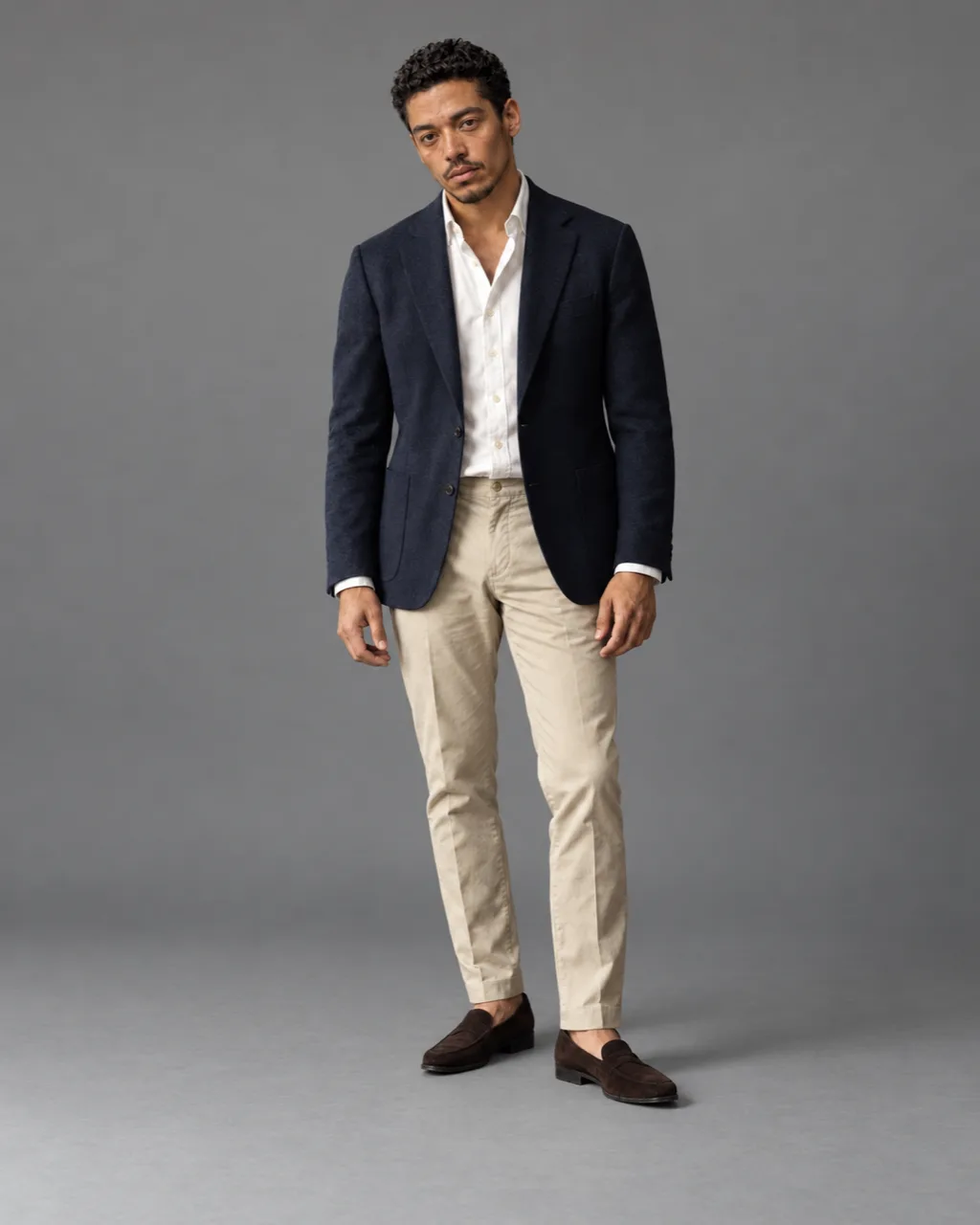
Sunderly look 4, navy blazer, white shirt and stone chinos: full length from the front, AI concept workSunderly look 4, navy blazer, white shirt and stone chinos: from behind, three-quarter view, AI concept workSunderly lookbook, look 4, navy blazer, white shirt and stone chinos: close crop on the fabric, AI concept work
Look 4 · navy blazer and stone chinos
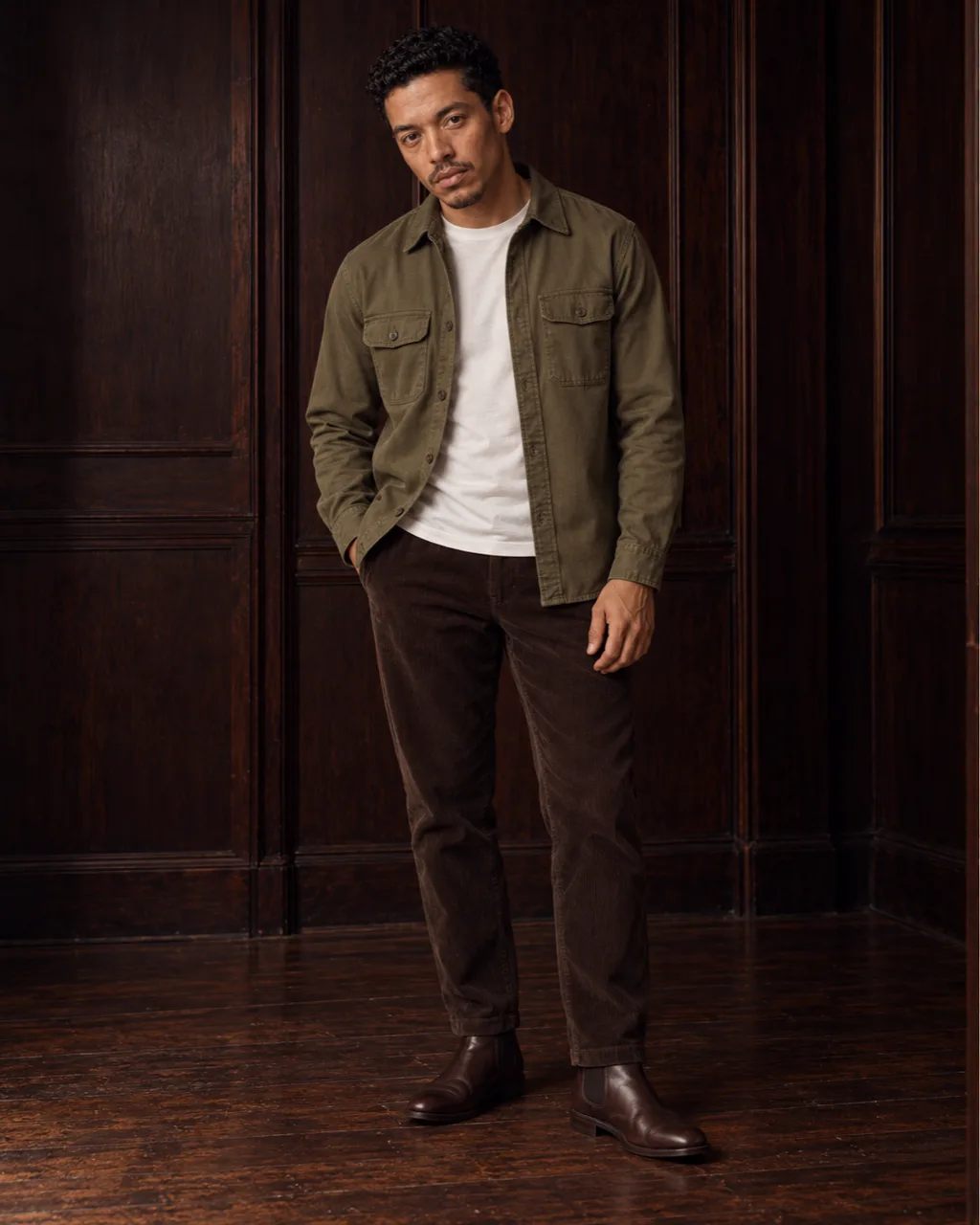
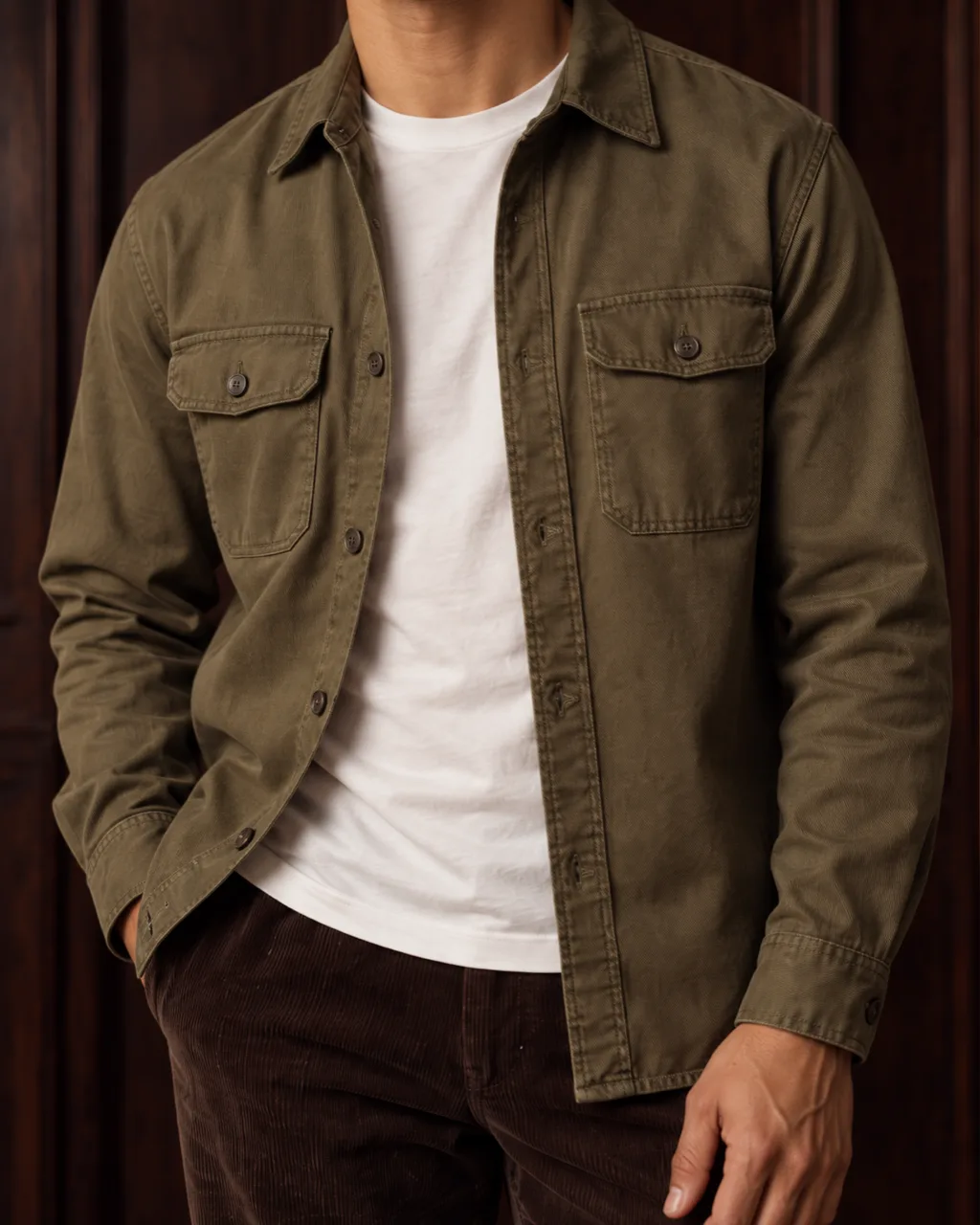
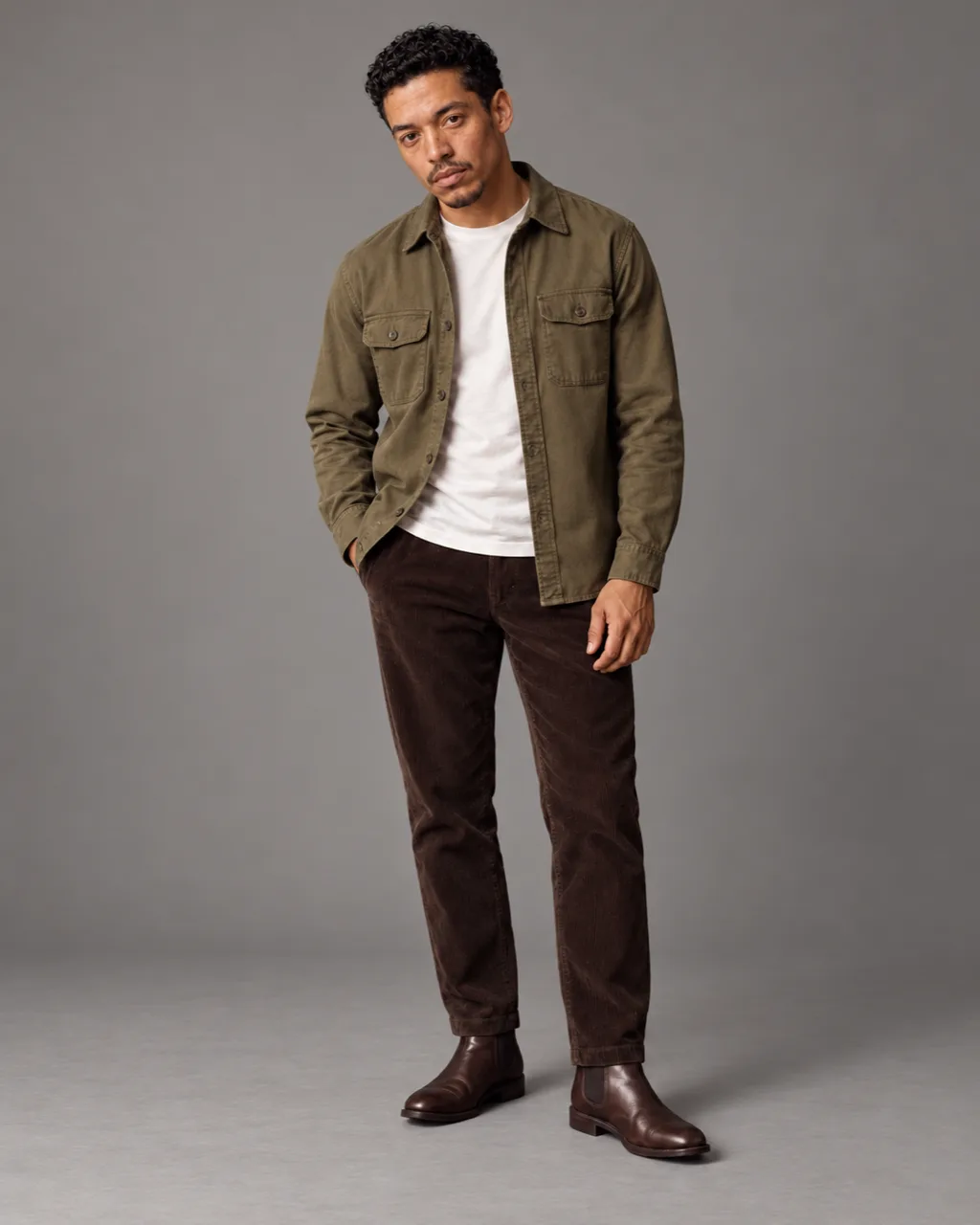
Sunderly look 5, olive overshirt and brown cords: full length from the front in a wood-panelled room, AI concept workSunderly look 5, olive overshirt and brown cords: from behind, three-quarter view, in a wood-panelled room, AI concept workSunderly lookbook, look 5, olive overshirt and brown cords: close crop on the fabric, AI concept work
Look 5 · olive overshirt and brown cords
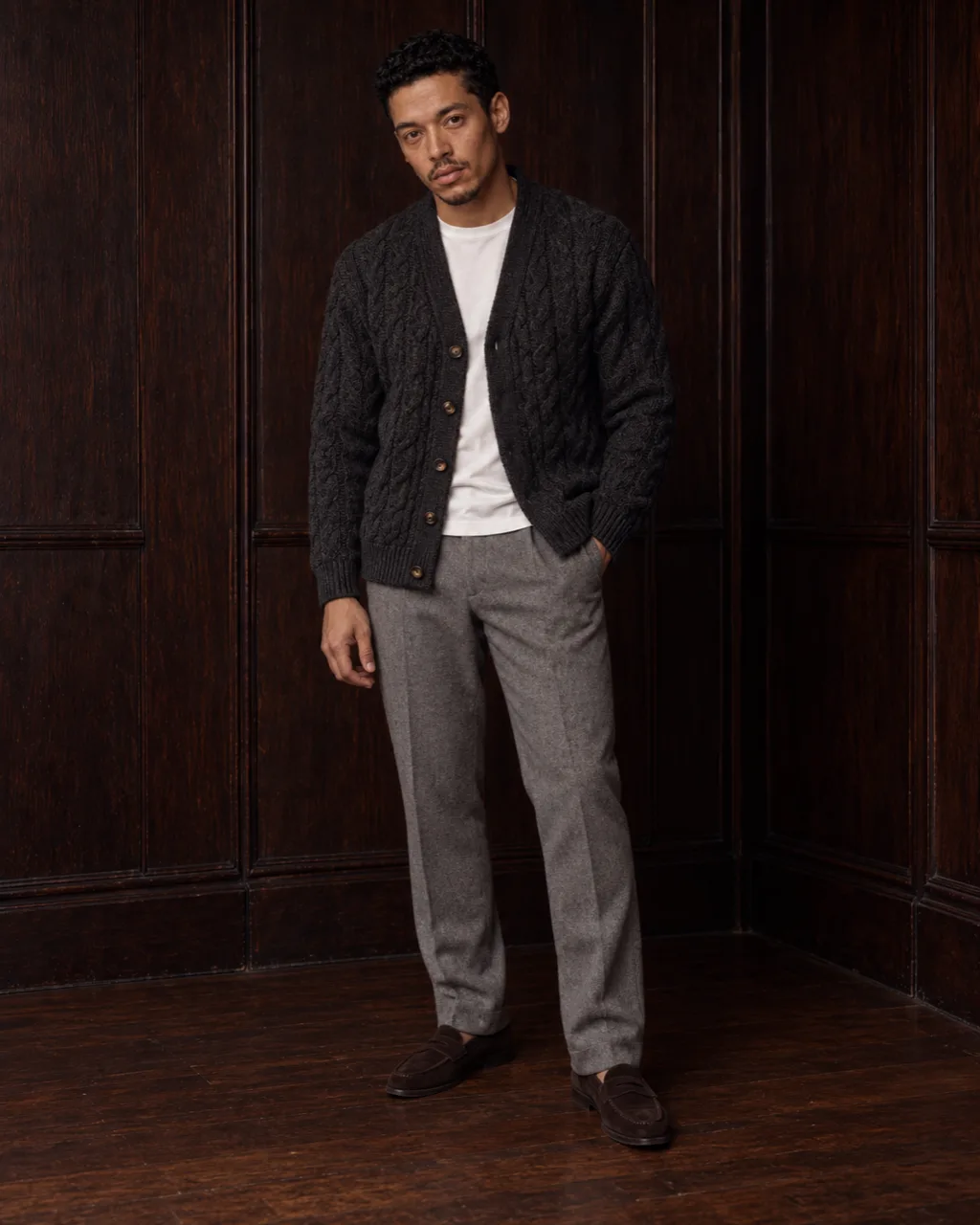
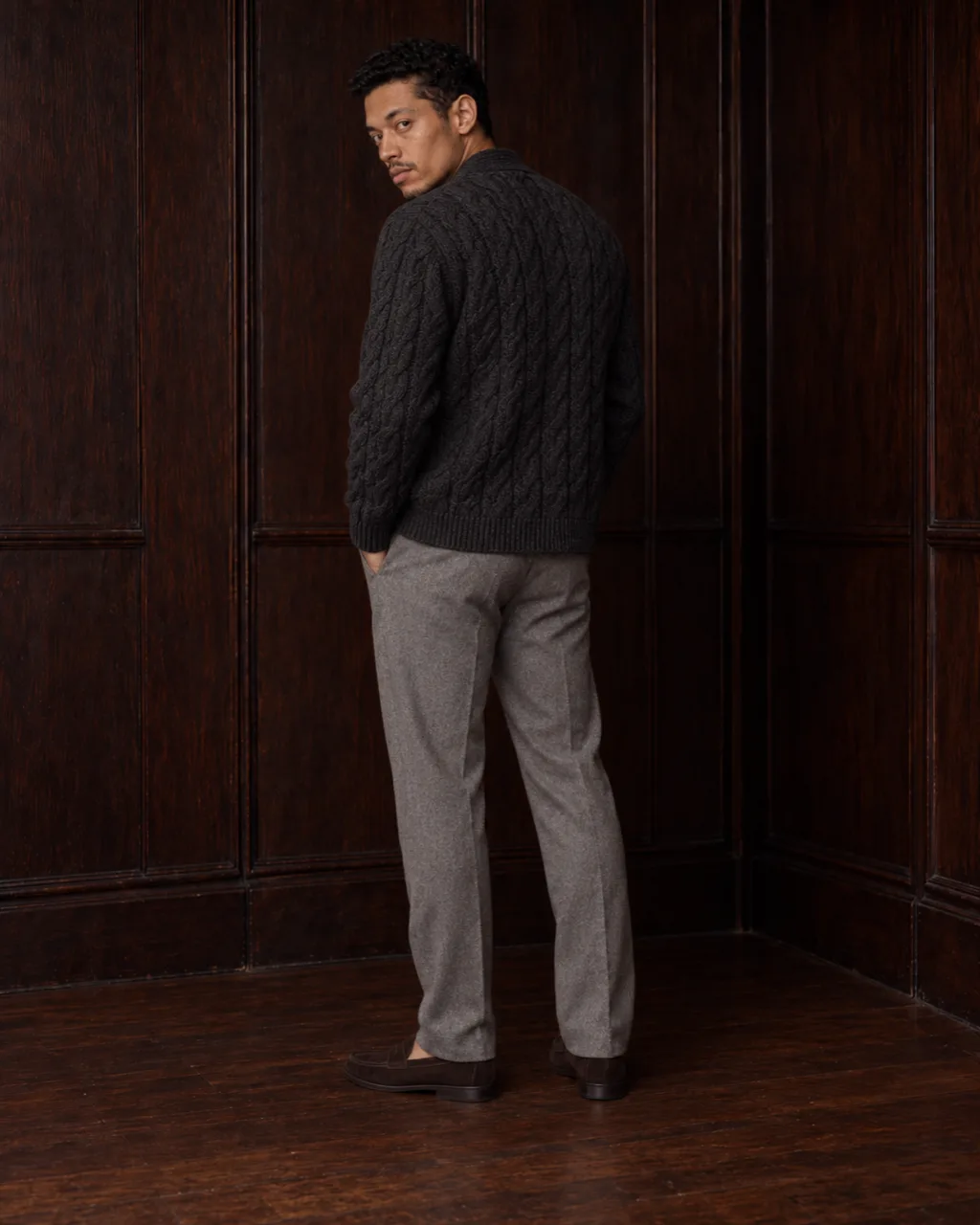
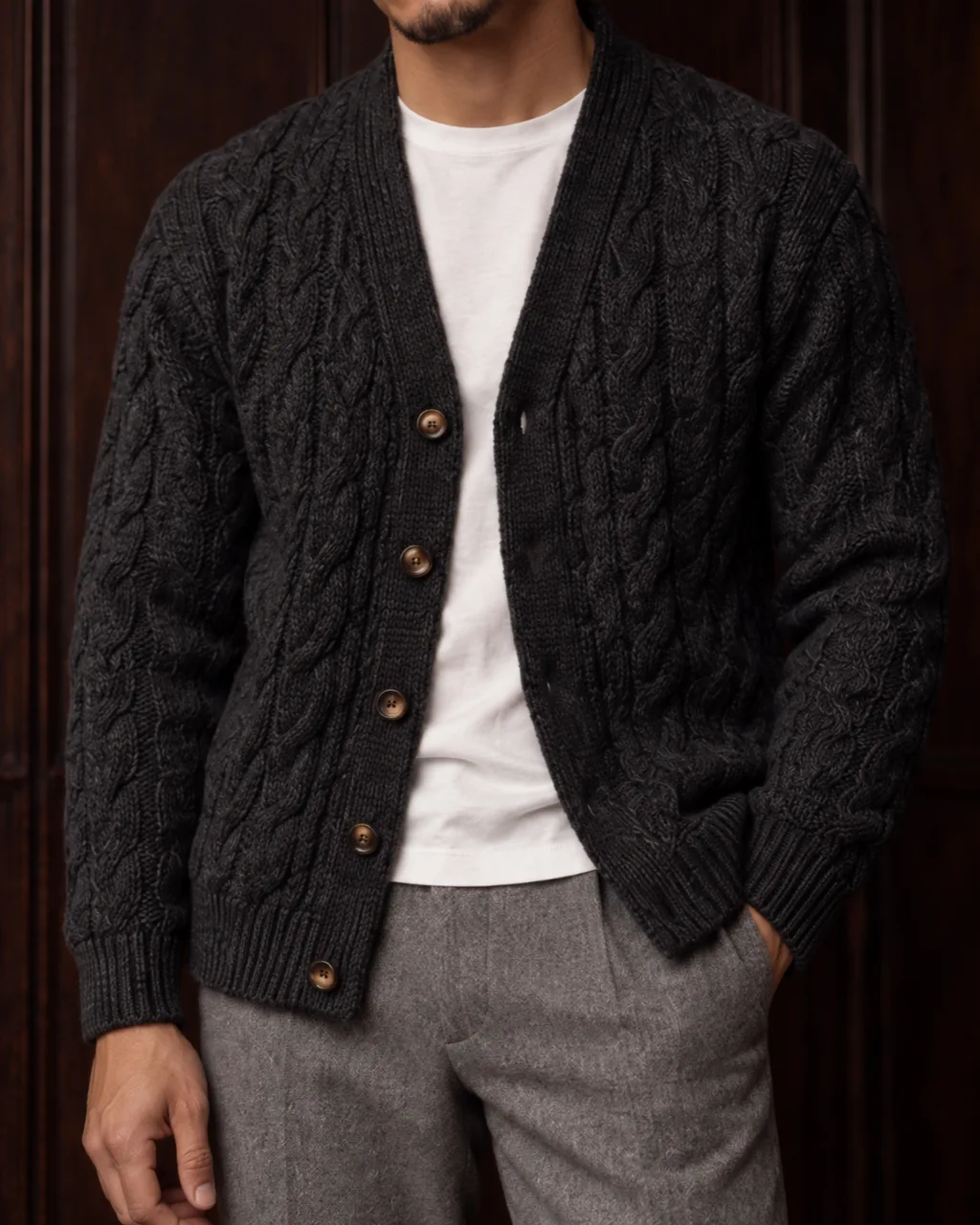
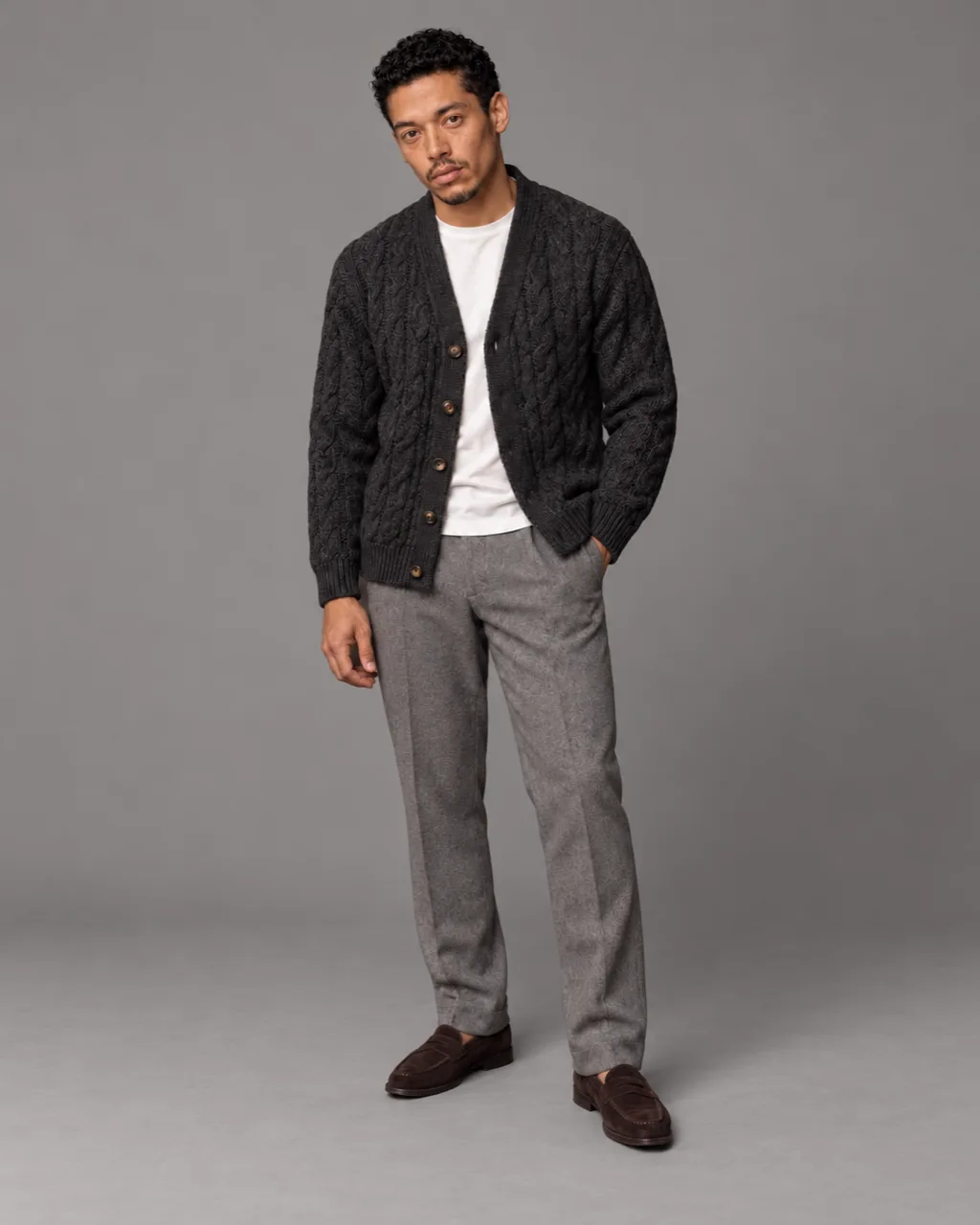
Sunderly look 6, charcoal cable cardigan and grey flannel trousers: full length from the front, AI concept workSunderly look 6, charcoal cable cardigan and grey flannel trousers: from behind, three-quarter view, AI concept workSunderly lookbook, look 6, charcoal cable cardigan and grey flannel trousers: close crop on the fabric, AI concept work
Look 6 · charcoal cardigan and grey flannel

The same looks on a plain ground

Plain-background versions provide another way to present the clothing, with that additional scope agreed separately.

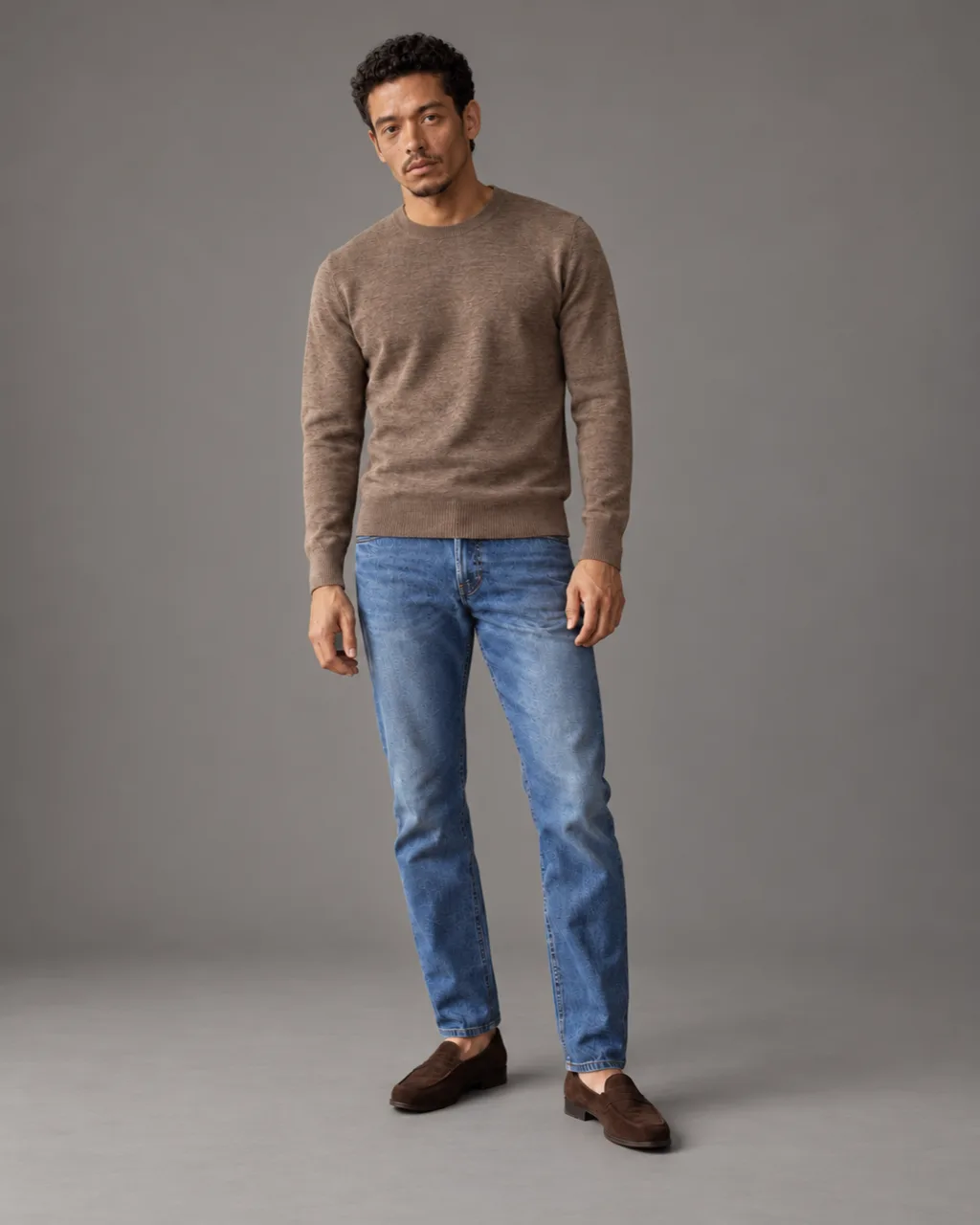
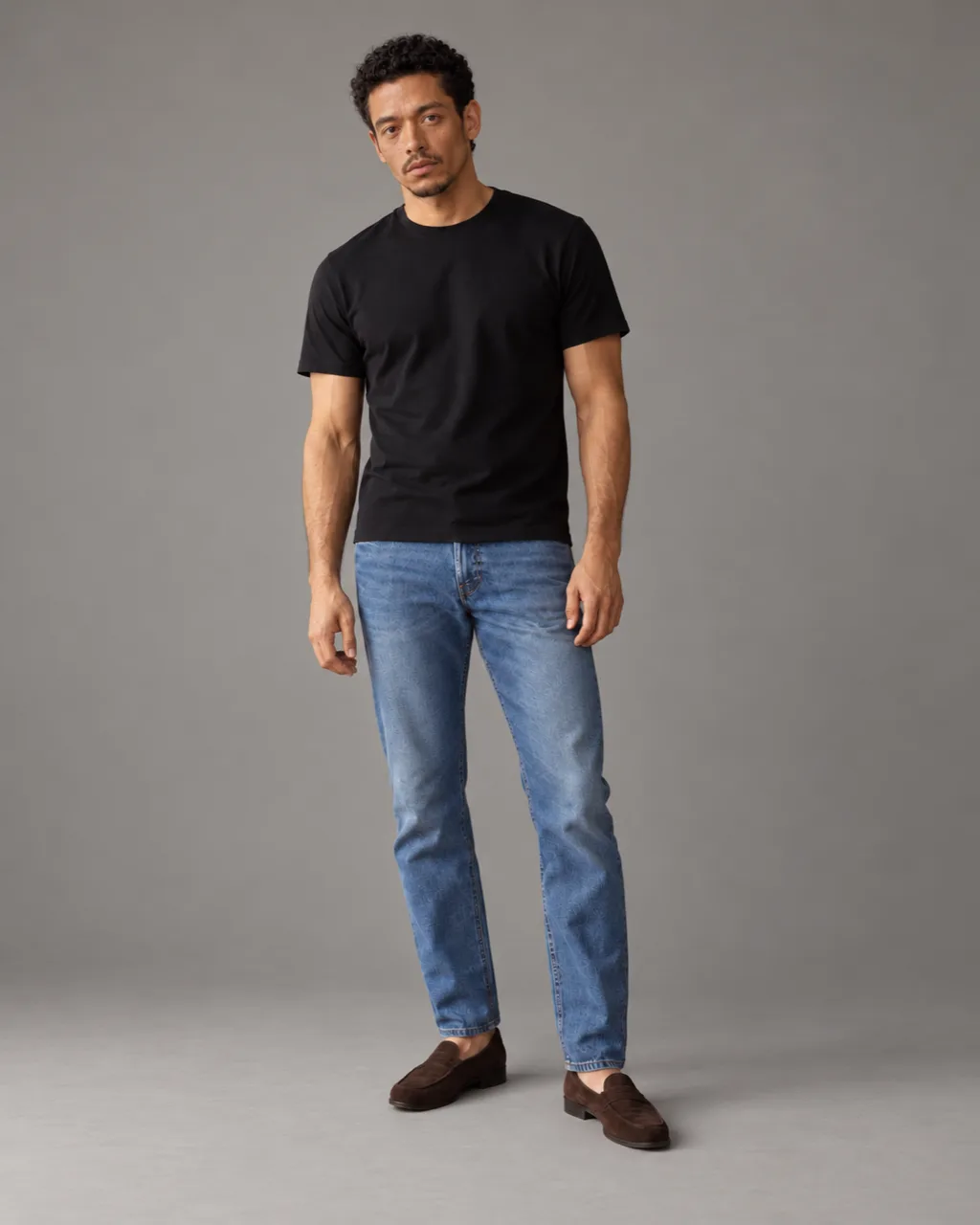
Sunderly lookbook, look 1, taupe knit and indigo jeans: full length on a plain grey ground, AI concept workSunderly lookbook, look 2, black T-shirt and indigo jeans: full length on a plain grey ground, AI concept workSunderly lookbook, look 3, camel coat over a cream roll-neck: full length on a plain grey ground, AI concept workSunderly lookbook, look 4, navy blazer, white shirt and stone chinos: full length on a plain grey ground, AI concept workSunderly lookbook, look 5, olive overshirt and brown cords: full length on a plain grey ground, AI concept workSunderly look 6, charcoal cable cardigan and grey flannel trousers: full length on a plain grey ground, AI concept work

Start with references that show the clothes clearly

Sunderly lookbook, look 1, taupe knit and indigo jeans: close crop on the fabric, AI concept workSunderly · Own concept brand

High-quality product photographs provide a stronger foundation for AI lookbook production. They show what needs to remain consistent: shape, colour, texture, construction and the relationship between individual details.

Front and back photographs are useful starting points. Close-ups help with materials, stitching, trims, fastenings, prints and labels. Measurements can clarify a hem length or proportion that is difficult to judge from an isolated image. Existing on-model photographs can also help explain the intended fit and how a fabric hangs.

Flat-lay, mannequin and ghost-mannequin photographs can contribute to the reference set. Technical drawings and tech packs add construction information, particularly where photography leaves something unclear. We review the materials together rather than assuming that every type of reference provides the same information.

  1. You can also share brand guidelines, styling combinations, campaign references and any details you want the collection to emphasise. If particular features must remain visible in every view, flag them at the start.

  2. You do not need a perfectly assembled brief before contacting me. I can review what you have and identify the gaps. Where agreed, products can be sent for me to photograph as part of the production process.

How an AI lookbook is produced

Collection review
the looks
the garments in each look
where the images will appear
your launch deadline
the number of images
angles and variations

Define the collection and its uses

We begin with the looks, the garments within each look and the places the finished imagery will appear. I review the references, identify details that need particular care and establish the proposed number of images, angles and variations. This is also where we discuss practical requirements, including crops, orientation, background options and your launch deadline. Agreeing them early helps avoid producing a beautiful image that cannot serve its intended placement.
Sunderly lookbook, look 3, camel coat over a cream roll-neck: close crop on the fabric, AI concept workSunderly lookbook, look 6, charcoal cable cardigan and grey flannel trousers: close crop on the fabric, AI concept workSunderly look 4, navy blazer, white shirt and stone chinos: full length from the front, AI concept workSunderly lookbook, look 1, taupe knit and indigo jeans: full length on a plain grey ground, AI concept work
Sunderly · Own concept brand

Establish the visual direction

I translate the brief into casting, styling, setting and lighting choices. The aim is a direction that belongs to your brand and can be sustained across the collection. We review that direction before extending it into the wider set.

Sunderly lookbook, look 1, taupe knit and indigo jeans: full length from the front in a wood-panelled room, AI concept work
Sunderly · Own concept brand

Develop the first look

An initial look establishes the relationship between the model, garment and setting. It gives us something concrete to assess: the overall character, the product representation and the level of finish. A Pilot can be used to test the approach before committing to a larger production.

Sunderly look 2, black T-shirt and indigo jeans: full length from the front in a wood-panelled room, AI concept work
Sunderly · Own concept brand

Build the collection and refine the details

The remaining images are developed against the agreed direction and garment references. I review them individually and together, refining inconsistencies through further image work and selective retouching. The attention stays on both product detail and the coherence of the set.

Sunderly look 3, camel coat over a cream roll-neck: full length from the front in a wood-panelled room, AI concept workPNG
Sunderly look 3, camel coat over a cream roll-neck: full length from the front in a wood-panelled room, AI concept workJPG
Sunderly look 3, camel coat over a cream roll-neck: full length from the front in a wood-panelled room, AI concept workTIFF
Sunderly look 3, camel coat over a cream roll-neck: full length from the front in a wood-panelled room, AI concept workWebP
Sunderly · Own concept brand

Prepare the final delivery

The selected images are finished and exported for the agreed uses. We confirm file formats, dimensions and any additional versions within the project scope. A designed lookbook PDF can be included as an additional deliverable, with its layout, scope and price agreed at the briefing stage.

Keeping garment details consistent

Fashion imagery asks the image to do two things at once: communicate a visual idea and represent clothing clearly. Both need attention throughout production.

I review silhouette, sleeve and hem length, neckline, seams, pocket positions, closures, trims and visible print details against the supplied references. Fabric needs its own consideration: a smooth surface, a visible knit and a structured outer layer should each retain a believable character.

Fit is assessed in relation to the pose. Raising an arm or turning the body changes folds and tension, but it should not quietly redesign the garment. The same principle applies across the set: changing the viewpoint should reveal another side of the piece while preserving its construction.

Sunderly look 3, camel coat over a cream roll-neck: full length from the front in a wood-panelled room, AI concept work
Sunderly · Own concept brand

Some materials and details require more correction than others. Clear references and an initial test help establish where AI works well and where photography or a combined approach offers better control. The production method is chosen around the clothing and the result we need.

Choose the visual direction for your collection

Minimal studio

A controlled background, repeatable framing and considered poses keep attention on silhouette, styling and fabric. This can suit collections that need a clear, quiet presentation.

Interior-led

A room introduces materials, colour and a sense of character. The setting is selected to support the collection, with enough consistency in light and composition to connect the looks.

Location-led

Architecture, landscape or an urban setting can give a collection a more distinctive atmosphere. Garment visibility and continuity still guide the choice of angles and movement.

Editorial

More expressive casting, styling and composition can give the collection a stronger point of view. We agree which images carry that energy and which need to explain the clothes more directly. These are starting points for a brief: the final direction comes from your brand, your collection and the audience you want to reach.

Lookbook, campaign or ecommerce imagery?

A lookbook presents a collection as a connected set of styled looks. On-model product imagery explains individual garments through repeatable views and visible details. A campaign gives more space to a creative concept, narrative or atmosphere.

Your brief can include more than one format. We agree the priorities and coverage before production, including whether you need individual image files, additional crops or a designed presentation.

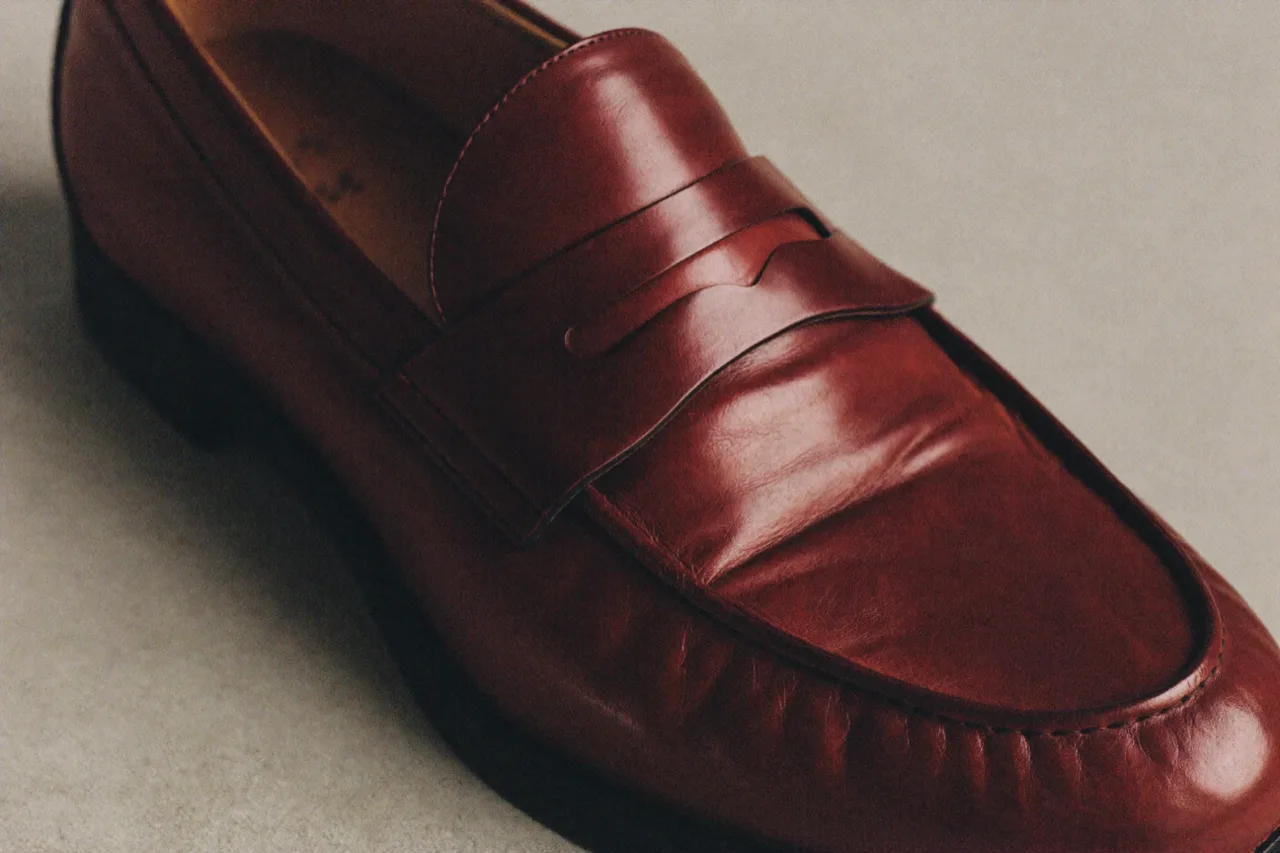
Close-up of an oxblood leather penny loafer, its strap and stitching, on a pale grey ground, AI concept workPenny loafer · AI concept work

Pricing and turnaround

The final quote reflects the number of looks and views, garment complexity, reference quality, casting, settings, background variations and finishing requirements. A change of setting or an additional presentation format adds work and is included explicitly in the scope.

Pilot

£150–£400

Depending on the test, and credited towards the lookbook if the project proceeds.

Full Project

From£750

The lookbook itself, scoped to your looks, views and channels, with full commercial rights once the project has been fully paid for.

The six-look study demonstrates a possible format; it is not a fixed-price package. Turnaround is confirmed after reviewing the brief and materials, with time allowed for feedback and refinement. Send your intended launch date with your enquiry so we can assess the schedule from the outset.

Questions before you begin

Yes. A consistent model or cast can be established as part of the visual direction. Identity, proportions, hair and styling are reviewed across the images alongside garment details, so the collection feels connected as poses and viewpoints change.

We can review the available materials and develop the direction before samples arrive. Whether final garment imagery can proceed depends on how clearly the references describe the finished piece. If construction, colour or fit is still changing, we agree what the images can reliably represent before production.

Front and back photographs of each garment are a good start, with close-ups of materials, stitching, trims, fastenings, prints and labels. Measurements, on-model photographs, flat lays and tech packs can fill any gaps. You don't need a perfectly assembled brief: I can review what you have and identify what's missing. See what makes good references.

As many as the collection needs. The Sunderly example follows six looks through a front view, a second angle and a detail, but that is one format, not a fixed package. We agree the number of looks, views and any background variations at the start, and the quote follows from that.

Yes. A Pilot develops one look first, so we can assess the character, the product representation and the level of finish before committing to the full set. Its fee is credited towards the lookbook if the project goes ahead. See pricing.

Individual image files as standard, finished and exported for the uses we agree, in the formats, sizes and crops you need. A designed lookbook PDF can be included as an additional deliverable, with its layout, scope and price agreed at the briefing stage.

Sunderly look 4, navy blazer, white shirt and stone chinos: full length from the front, AI concept workSunderly · Own concept brand

Bring your collection into view

Send your garment references, approximate number of looks, intended uses and launch date. Tell me what you want the collection to feel like, and which details matter most. I will review the materials and recommend a starting point, production scope and quote.

Discuss your lookbook